Best Longevity Apps: The Tools That Actually Help You Live Longer
The longevity app market is full of noise. These are the apps with genuine utility, for tracking, optimising
Researched from published studies and manufacturer specifications.
We have not tested products ourselves. How we research
Quick verdict
Cronometer for nutrition tracking, Whoop or Oura companion apps for recovery, Eight Sleep for sleep, and Levels for metabolic health are the apps worth paying for. Most 'longevity' apps are glorified journals, the ones below provide genuine data loops that change behaviour.
Talk to your doctor first. This is general information, not medical advice. Supplements and devices can interact with medicines and health conditions. We quote study protocols for context and do not recommend doses.
Why Apps Matter for Longevity
Behaviour change is the foundation of longevity. And behaviour change is dramatically easier when you have data feedback loops: seeing the actual impact of your choices on measurable health metrics.
The apps worth using here are the ones that show you data about your own body, so you can compare what you do with what your numbers do, rather than guess.
Here is the ranked list of apps that provide genuine utility, organised by category.
Nutrition Tracking
1. Cronometer: Best for Nutrient Completeness
Platform: iOS, Android, Web | Cost: Free (Gold $8.99/month adds features)
Cronometer is the only nutrition app that tracks micronutrients comprehensively. Not just macros (protein, fat, carbohydrate) but the full spectrum of vitamins, minerals, and amino acids. For longevity-focused nutrition, this distinction matters enormously.
Why it stands above MyFitnessPal:
- Prioritises verified USDA/NCCDB data over user-submitted entries (more accurate)
- Tracks vitamins A, C, D, E, K1, K2, all B vitamins individually
- Tracks minerals: calcium, magnesium, zinc, selenium, potassium, sodium, iodine
- Tracks omega-3 breakdown (ALA, EPA, DHA separately)
- Shows amino acid profiles: critical for anyone tracking protein quality
- Barcode scanner + extensive restaurant database
Best use: Run Cronometer for 2–4 weeks to identify persistent nutritional gaps. Most people discover they are chronically deficient in magnesium, vitamin D, omega-3s, zinc, or one of the B vitamins. This data directly informs your supplement strategy.
Gold tier worth it for: Biometric trends, food scoring, fasting timer, and the ability to see rolling 7-day averages vs single-day snapshots.
2. Carbon Diet Coach: Best for Body Composition Goals
Platform: iOS, Android | Cost: $14.99/month
If your primary goal is changing body composition (building muscle, losing fat), Carbon uses adaptive calorie and macro targets based on your actual progress, adjusting weekly rather than using static calculations. Designed by Layne Norton (PhD nutrition science).
Best suited for people who are already tracking and want their targets to auto-adapt rather than manually recalculating.
Sleep Tracking
3. Eight Sleep App: Best for Active Sleep Optimisation
Platform: iOS, Android | Cost: Free with Eight Sleep Pod ($2,195+ hardware)
The Eight Sleep Pod mattress cover paired with its app is the most data-rich sleep system available. The app analyses:
- Sleep stages (light, deep, REM)
- HRV during sleep
- Sleep score with trend data
- Automatic temperature adjustment based on sleep phase and biometric data
Why it’s different: Most sleep apps measure passively and report. Eight Sleep actively intervenes: cooling and heating the mattress throughout the night in response to your data, improving deep sleep duration measurably.
A 2023 peer-reviewed study (with Eight Sleep funding: caveat noted) found Eight Sleep users achieved 19% more deep sleep and significant improvements in HRV. Third-party users corroborate the HRV improvements.
High cost ($2,195+) limits accessibility, but for sleep-focused longevity practitioners it is arguably the highest-ROI hardware investment after wearables.
4. SleepWatch: Best Free Sleep App
Platform: Apple Watch required | Cost: Free (premium $3.99/month)
The best Apple Watch sleep tracking app: provides better sleep stage analysis and trend data than Apple’s native Health app. Includes circadian rhythm scoring, restfulness scores, and heart rate dip analysis (nocturnal HRV).
Best for Apple Watch users who want more from their hardware without buying Oura or WHOOP.
Recovery and HRV
5. HRV4Training: Best Standalone HRV Tracker
Platform: iOS, Android | Cost: $9.99/month or $74.99/year
Measures HRV using the phone camera (photoplethysmography). No hardware required. Integrates with wearables (Garmin, Apple Watch, Polar, WHOOP) but can function entirely as a standalone morning HRV measurement.
What makes it exceptional:
- Marco Altini (the developer) has a PhD in data science with a specialisation in HRV, his methodology is research-grade
- Provides context-aware training recommendations based on HRV trends (not single readings)
- Long-term trend analysis that reveals lifestyle patterns
- Integrates with Training Peaks, Apple Health, and most major wearables
If you do not own WHOOP or Oura but want rigorous HRV tracking, HRV4Training is the best alternative.
6. Whoop App / Oura App: Best Paired with Hardware
Platform: iOS, Android | Cost: Included with subscription
If you own WHOOP or Oura, their companion apps are essential. WHOOP excels at training load and recovery scoring; Oura at sleep staging and readiness. Both provide trend data that improves meaningfully over weeks and months as the algorithm learns your baselines.
See our full WHOOP vs Oura Ring comparison for hardware details.
Metabolic Health
7. Levels: Best for Metabolic Awareness
Platform: iOS | Cost: $199/month (includes CGM sensors)
Levels pairs continuous glucose monitors (CGMs) with an app that provides real-time glucose data, meal scoring, and activity impact analysis. Founded by a team including Casey Means (MD, Stanford) and backed by longevity researchers.
Who it’s for: People who want to understand their personal metabolic response to food, which meals spike glucose, which do not, and how exercise, sleep, and stress modulate the response.
Evidence base: CGM use in non-diabetics is controversial in mainstream medicine (limited clinical outcome data). However, the mechanistic rationale is strong: postprandial glucose spikes are associated with oxidative stress, glycation, and inflammation even in people with “normal” HbA1c. Two weeks of CGM data provides a metabolic education that changes eating behaviour durably for many users.
Cost concern: $199/month is significant. Most longevity-focused users do 1–3 months to understand their baselines, then stop ongoing monitoring.
Supplement and Protocol Tracking
8. Bearable: Best Symptom and Supplement Logger
Platform: iOS, Android | Cost: Free (premium $4.99/month)
A highly flexible health tracking app that allows custom tracking of any variable, supplement intake, symptoms, energy, mood, sleep quality, pain, with correlation analysis that identifies patterns across tracked variables.
Best use: Track a new supplement protocol (e.g., lion’s mane or bacopa) against subjective cognitive and energy metrics over 8–12 weeks. The correlation analysis can reveal genuine patterns that justify or discontinue the protocol.
9. Notion / Obsidian: Best for Protocol Documentation
Cost: Notion free / Obsidian free
Not health-specific apps, but the most effective tools for documenting and iterating on your personal longevity protocol. The most systematic biohackers maintain a “health OS”: a structured note system that tracks their current protocol, lab results over time, supplement log, and intervention experiments.
Templates available on Notion’s template gallery for health tracking. Less fancy than dedicated apps; more flexible and longer-lasting.
Mindfulness and Stress
10. Waking Up: Best Science-Based Meditation App
Platform: iOS, Android | Cost: $99.99/year (scholarships available)
Sam Harris’s meditation app, the most intellectually rigorous meditation application available. Goes beyond technique instruction to address the underlying theory of mindfulness practice. Preferred by the scientifically-minded user who finds apps like Calm or Headspace too simplistic or spiritually vague.
Longevity relevance: Chronic stress is one of the strongest drivers of epigenetic age acceleration. A consistent mindfulness practice reduces cortisol, improves HRV, and reduces inflammatory markers. A practice you maintain is better than a perfect one you abandon: Waking Up has the highest retention rates among serious practitioners.
11. Othership: Best for Breathwork Guidance
Platform: iOS, Android | Cost: $19.99/month
Guided breathwork sessions covering coherent breathing, Wim Hof method, box breathing, and multiple other protocols. Better production quality and instructor diversity than YouTube alternatives. Good for people who want structure and accountability in their breathwork practice rather than self-guided technique.
The Essential Stack
If you want to instrument your longevity without app overload, start here:
- Cronometer: know your nutrition
- HRV4Training or Oura/WHOOP app: track recovery and stress load
- Waking Up: manage chronic stress
These three cover the most important data loops: what you eat, how your nervous system is coping, and whether you have a stress regulation practice. Everything else is optimisation on top of this foundation.
What to Skip
Most branded longevity score apps: Apps that promise a “biological age” from a questionnaire or subjective inputs are not measuring biological age. They are running an algorithm on self-reported data. This is not useful for the purposes described here.
Generic fitness apps (Strava, Nike Run Club): Excellent for their purpose (training community, GPS tracking) but not designed for longevity data loops.
Meditation apps with gamification: Streaks and points are counter-productive to genuine contemplative practice. Waking Up deliberately avoids them.
Data and comparisons
- Magnesium evidence record
Required for 300+ enzymatic reactions
- Vitamin D3 evidence record
Deficiency is endemic (over 40% of Western adults) and associated with higher all-cause mortality
- Meditation Apps Compared: Insight Timer, Calm, Headspace & more
Insight Timer for value
- WHOOP vs Oura: Best longevity wearable?
Oura for sleep; WHOOP for recovery
Related reading
Best Wearables for Longevity Tracking: Cost and Evidence
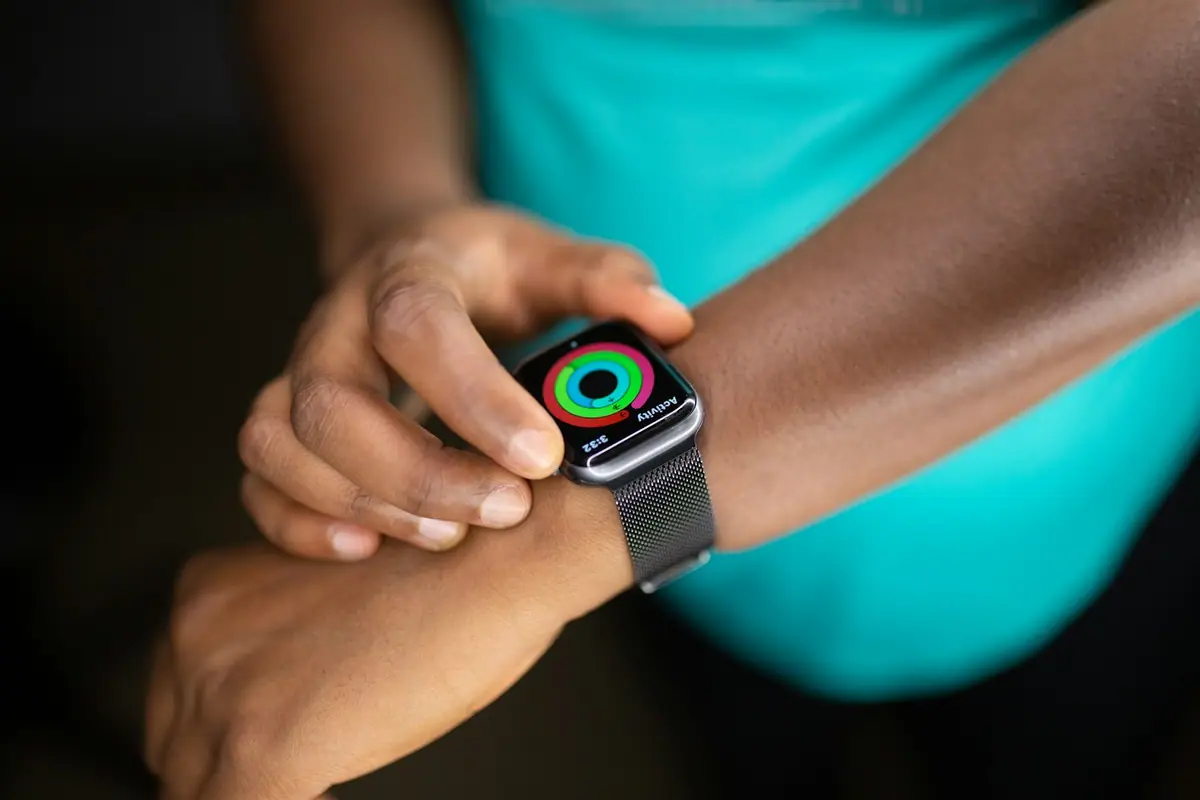
Six health wearables compared on cost over two years, what each measures and what independent studies found, from ECG-checked HRV to over-the-counter CGMs.

Best Sleep Optimization Tools
Sleep is the highest-impact longevity intervention. We rank the best tools across every sleep category, from mattress tech to sleep trackers

Longevity Travel
Travel is one of the biggest disruptors of sleep, circadian rhythm, nutrition, and exercise habits
Best Nootropics for Cognitive Longevity: What Actually Works
Most nootropics are hype. A small number have genuine clinical evidence for protecting and enhancing brain health as you age

Best Longevity Podcasts
Skip the hype. These podcasts are where the best longevity researchers and physicians break down the real science, with citations, nuance