Cold Shower Protocol: The Beginner's Guide to Cold Exposure Without the Ice Bath
Cold plunges get the headlines but cold showers are where most people should start
Researched from published studies and manufacturer specifications.
We have not tested products ourselves. How we research
Quick verdict
Cold showers deliver meaningful norepinephrine increases, mood benefits, and metabolic activation, at zero cost and zero equipment. They are not equivalent to cold plunge immersion but they are 90% as good for most of the longevity-relevant mechanisms. The key is progression, 30 seconds of cold is sufficient to start; build to 2–3 minutes over 4–6 weeks.
Talk to your doctor first. This is general information, not medical advice. Supplements and devices can interact with medicines and health conditions. We quote study protocols for context and do not recommend doses.
Cold Shower vs Cold Plunge: What Actually Matters
Cold plunges, purpose-built ice bath units at 10–15°C, are the premium version of cold water immersion. They cost $5,000–15,000, require space, and involve submersion to the neck. The physiological response is powerful.
Cold showers cost nothing, require no equipment, and are accessible to anyone with a functioning shower. They are less intense than full immersion but deliver the core physiological mechanisms at much lower barrier to entry.
For most people, a cold shower protocol is the right starting point, and for many, it will remain the primary tool indefinitely. The evidence suggests the benefits are real even without full immersion.
What Cold Exposure Actually Does
Norepinephrine Release
The most significant acute effect of cold exposure. A 20°C cold shower for 2 minutes increases norepinephrine (noradrenaline) by approximately 200–300%. A full cold plunge at 14°C increases it by 300–400%.
Norepinephrine:
- Produces intense alertness and focus (the mechanism behind the post-cold shower “clarity”)
- Elevates mood: norepinephrine is deficient in depression; cold is antidepressant via this mechanism
- Increases metabolic rate
- Reduces pain (norepinephrine is an endogenous analgesic)
- Constricts blood vessels and improves cardiovascular tone
The norepinephrine surge is the primary mechanism behind most reported cold exposure benefits. It is real, measurable, and significant.
Brown Adipose Tissue (BAT) Activation
Cold exposure activates brown adipose tissue, a thermogenic fat that burns energy to generate heat. Unlike white fat (storage), brown fat is metabolically active and produces heat via uncoupled mitochondria.
Regular cold exposure:
- Increases brown adipose tissue quantity and activity
- Elevates baseline metabolic rate
- Improves insulin sensitivity (brown fat is a major glucose consumer)
- May contribute to fat mass reduction over time
This effect accumulates with consistent cold exposure: occasional cold showers have less impact on BAT than regular practice.
Dopamine
Cold exposure produces a prolonged increase in dopamine that is different from other dopamine-releasing activities. Andrew Huberman has noted that cold exposure produces a dopamine increase of approximately 250% that, unlike drug-induced dopamine spikes, does not produce a subsequent trough. It sustains without tolerance development.
This sustained dopamine increase may explain why regular cold shower practitioners often report improved motivation, reduced anxiety, and improved mood that persists hours after the exposure.
Inflammation Reduction
Cold water immersion reduces inflammatory markers (IL-6, IL-1β, TNF-alpha) post-exercise. For cold showers, the anti-inflammatory effect is less pronounced than full immersion but present.
Note on cold + exercise recovery: Cold immediately post-exercise blunts some of the hypertrophy (muscle-building) adaptations to resistance training: specifically, the inflammation that is part of the muscle growth signal is suppressed. Time cold exposure 6+ hours away from strength training, or limit cold exposure to 5 minutes post-strength session. Cold is beneficial after endurance training.
Mental Toughness and Stress Adaptation
Cold exposure is a controlled stressor that trains the nervous system’s stress response. The physiological stress of cold is significant: breathing rate increases, heart rate spikes, sympathetic nervous system activates. By choosing to remain calm and controlled in this state, you are training the same capacity that helps with psychological stress.
This is the mechanism behind Wim Hof’s emphasis on cold exposure as a mental training tool. Not just a physical one.
The Beginner Progression Protocol
Phase 1: Weeks 1–2: Contrast Ending
Start your normal warm shower. In the final 30 seconds, turn the water to its coolest setting and remain under it for a full 30 seconds before turning off.
This is the minimum effective starting dose. Even 30 seconds of cold activates the norepinephrine response: the temperature shift, not the duration, is what triggers the response.
Key technique: Do not hold your breath. Keep breathing normally. This is the hardest part of cold exposure for most people. The instinct is to gasp and hold. Controlled nasal breathing during cold is what separates a beneficial stress response from a panic response.
Success criteria: Complete 30 seconds without cutting it short. Repeat daily for 2 weeks.
Phase 2: Weeks 3–4: Extended Cold Ending
Extend the cold ending to 1 minute, then 90 seconds over this two-week period.
Begin paying attention to the physiological response. After the initial gasp reflex, most people find their breathing settles and the discomfort decreases (acute cold adaptation, not full habituation). This settling, finding calm within the discomfort, is the mental training component.
Optional: Begin cold with the face first. Submerging the face in cold water activates the diving reflex, slowing heart rate and redistributing blood. Cold water on the face produces a particularly strong parasympathetic response that some find calms the acute stress of cold better than full body immersion.
Phase 3: Weeks 5–8: Full Cold Showers
Begin the shower on cold. Two minutes minimum; three minutes for full benefit.
The physiological response is maximised in the first 2–3 minutes. Beyond 3 minutes, diminishing returns: the norepinephrine and dopamine release has already occurred and you are primarily adding discomfort.
Temperature matters: Aim for the coldest your shower produces. Most home showers reach approximately 15–20°C in winter. Groundwater temperature varies by location, colder climates produce colder tap water. The colder, the more powerful the response, up to the point of hypothermia risk (below ~10°C for extended exposure).
Phase 4: Maintenance: Your Sustainable Protocol
Find your personal sustainable practice:
- Full cold shower, 2–3 minutes, daily: the most effective daily habit
- Contrast shower (alternating hot/cold, 3–5 cycles): excellent cardiovascular stimulus; the vasoconstriction/vasodilation cycling is vascular exercise
- Warm shower ending cold: lower barrier; still effective if daily consistency matters more than intensity
Timing: When to Take Your Cold Shower
Morning (Best for Most People)
Morning cold showers align with the natural cortisol awakening response: the healthy cortisol spike that occurs in the first hour of waking. Cold amplifies this response, producing peak alertness earlier and more sustained energy through the morning.
Morning cold also produces a dopamine/norepinephrine surge that carries through the first 3–4 hours of the day, optimal if placed before focused work.
Post-Exercise (Best for Recovery, With Caveats)
Cold post-exercise reduces DOMS (delayed onset muscle soreness) and accelerates perceived recovery. The anti-inflammatory effect helps endurance athletes more than strength athletes.
Caution: Avoid cold within 1–2 hours of heavy strength training if muscle hypertrophy is a goal. The inflammation blunting effect reduces the anabolic signalling from the training session. Wait 6+ hours, or do not cold-expose at all on strength days.
Evening (Not Recommended)
Cold showers raise cortisol and norepinephrine, alerting, not calming. Taking a cold shower within 3 hours of sleep can delay sleep onset. If you must shower in the evening, warm or contrast (ending warm) is better.
What to Expect Week by Week
Week 1: Significant discomfort; breathing is difficult to control; 30 seconds feels long. Normal and expected.
Week 2: Breathing control improves. The 30-second window becomes manageable. The post-shower feeling (warmth, clarity, elevation) becomes noticeable. This is what sustains the habit.
Week 3–4: The cold still stings but the panic response is diminished. You are learning to separate physical discomfort from psychological distress, the core mental skill.
Week 5–8: Most people reach a plateau where full cold showers become, if not pleasant, manageable and self-reinforcing. The post-shower benefit is consistently noticeable enough to motivate continuation.
Month 3+: Most practitioners report some degree of adaptation, cold feels less extreme, the acute discomfort threshold rises. This is NOT full habituation: the physiological response (norepinephrine, BAT activation) does not fully habituate. You adapt to the sensation; the beneficial physiology continues.
Common Mistakes
Starting too long: Beginning with 2-minute cold showers when you have never done cold exposure is the fastest route to quitting. Thirty seconds daily for two weeks builds the habit and the stress adaptation simultaneously.
Holding your breath: The panic response is amplified by breath-holding. Exhale through the nose as you enter the cold and maintain nasal breathing throughout. This single technique change makes cold exposure significantly more manageable.
Irregular practice: The mental adaptation requires consistent daily practice. Twice-weekly cold showers never produce the same habituation as daily exposure. Consistency matters more than duration.
Expecting immediate physical results: The mood and alertness benefits are immediate and acute. The metabolic (BAT activation) and systemic health benefits accumulate over 4–8 weeks of consistent practice. Do not expect body composition changes in the first month.
Cold Shower vs Cold Plunge: The Honest Comparison
| Attribute | Cold Shower | Cold Plunge |
|---|---|---|
| Cost | $0 | $5,000–15,000 |
| Norepinephrine increase | ~200–300% | ~300–500% |
| BAT activation | Significant | Maximum |
| Full immersion benefit | Partial (no leg immersion) | Full |
| Convenience | Daily (already showering) | Requires setup |
| Temperature control | Limited | Precise |
| Social/family friction | None | Significant |
Cold showers deliver approximately 60–80% of the physiological benefit of cold plunge immersion at zero cost and minimal friction. For the majority of people, particularly those earlier in a health optimisation journey, the cold shower delivers excellent value. Cold plunge makes sense when you are already doing cold showers consistently and want to maximise the effect.
Advanced: Contrast Showers
Contrast showers (alternating hot and cold) are a step up from cold-only showers and are commonly used by elite athletes for recovery. Protocol:
- Hot for 2 minutes (as warm as comfortable, 40–42°C)
- Cold for 30–60 seconds (as cold as possible)
- Repeat 3–5 cycles
- End cold for alertness / end warm for sleep
The cardiovascular benefit of contrast, repeated vasodilation and vasoconstriction, is distinct from cold-only exposure and produces what some researchers describe as “passive cardiovascular training.” The vascular response to temperature cycling is similar to repeated cardiovascular effort at a low metabolic cost.
Data and comparisons
- Cold Plunge vs DIY Ice Bath: Is a $5,000 plunge worth it?
DIY for budget; plunge for convenience
Related reading
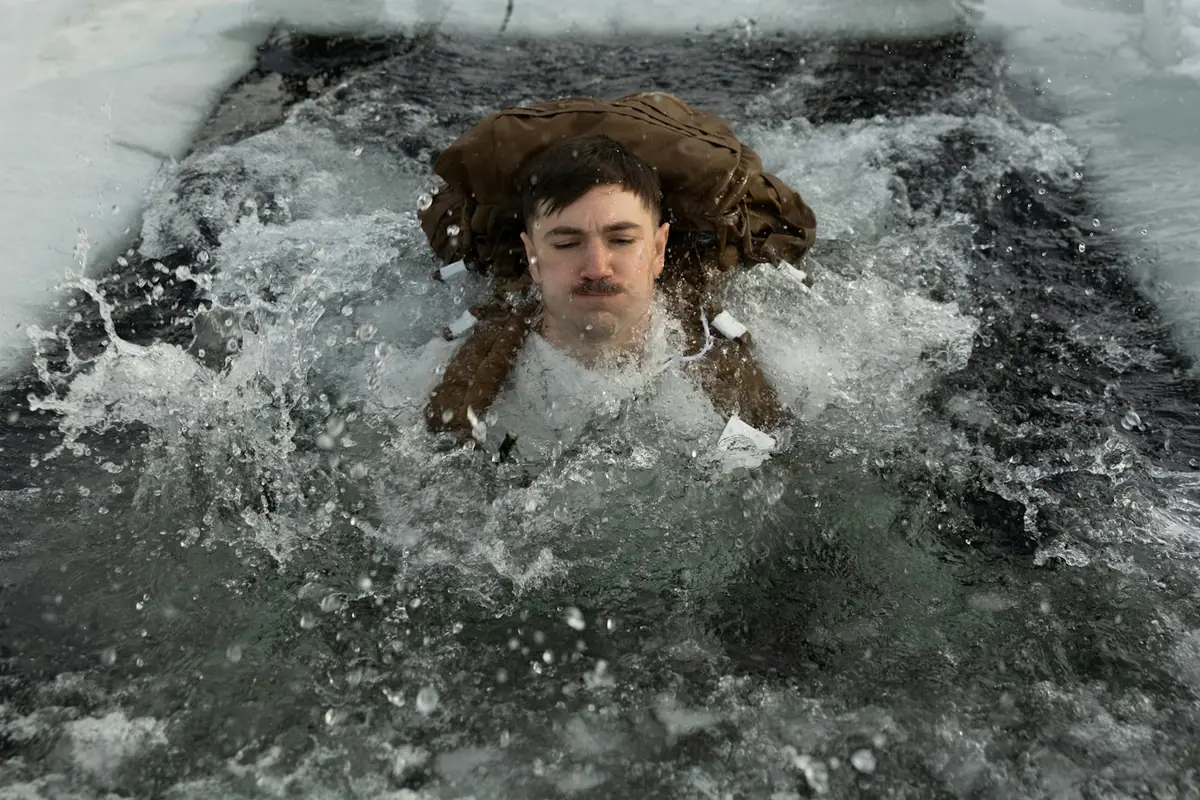
Cold Exposure Protocol
Cold exposure activates brown fat, boosts norepinephrine 300%, and builds stress resilience. The evidence-based protocol for cold therapy

Strength Training for Longevity: The Evidence-Based Protocol
Muscle mass is one of the strongest predictors of healthspan. The complete science and protocol for strength training that extends life
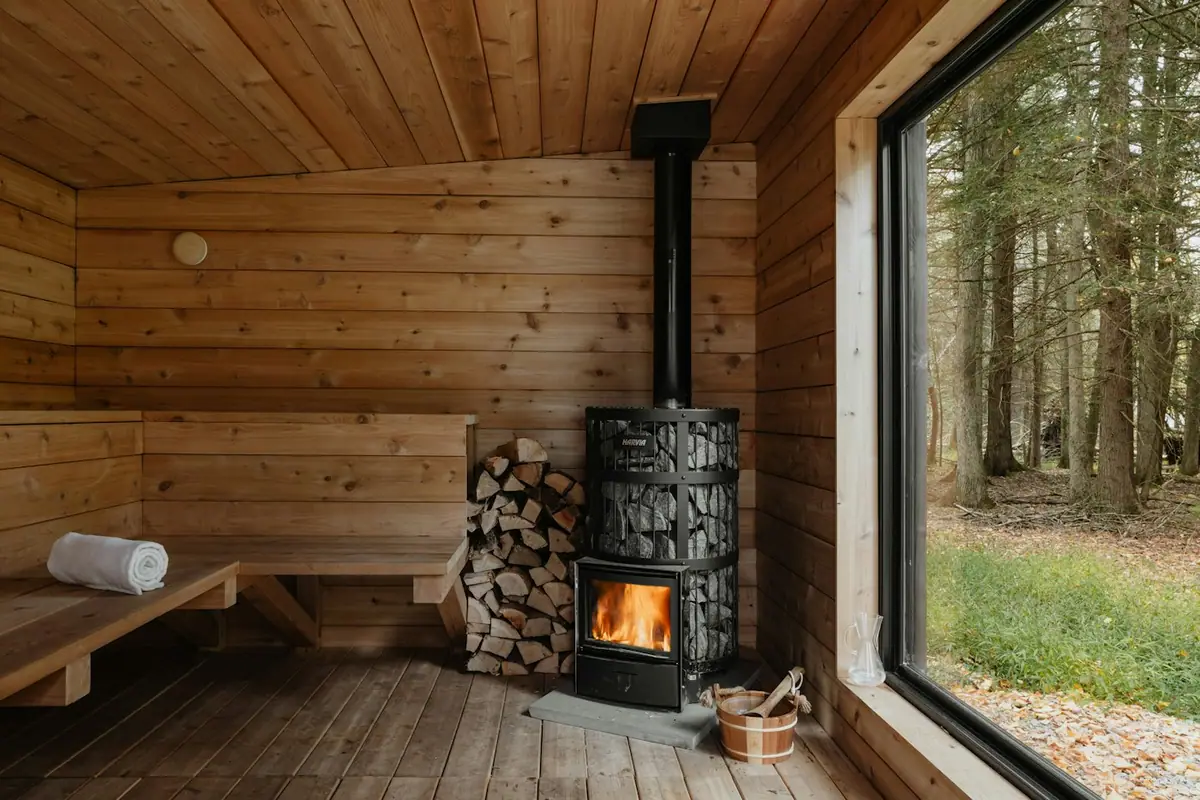
Evidence-Based Sauna Protocol: How Often, How Hot, How Long
Finnish sauna use reduces all-cause mortality by 40%. But protocol matters, temperature, duration, frequency, and timing all affect outcomes

Blue Zones
Dan Buettner identified five regions where people routinely live past 100 in good health. The patterns they share aren't about supplements or biohacking