
David Sinclair's Longevity Protocol (2025)
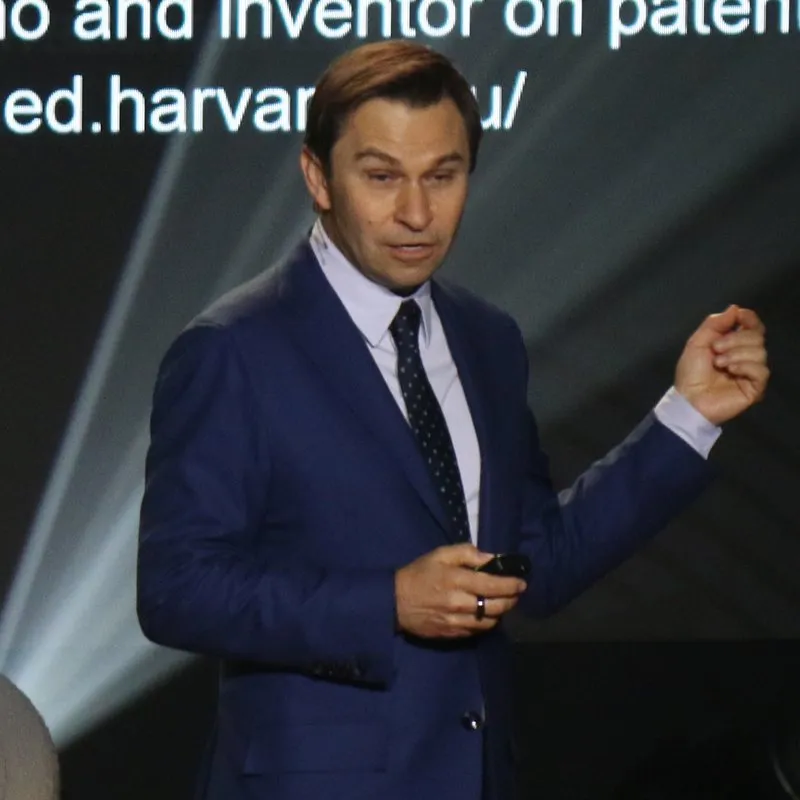
David Sinclair, PhD
Professor of Genetics, Harvard Medical School. Author of Lifespan.
sinclair.hms.harvard.eduPhoto: Xuthoria, CC BY-SA 4.0, via Wikimedia Commons
As an Amazon Associate, Longevity Intel earns from qualifying purchases. We may also earn a commission from other retailer links, at no extra cost to you. Commissions never influence rankings or scores. How we stay independent
Dr. David Sinclair is Professor of Genetics at Harvard Medical School and co-director of the Paul F. Glenn Center for Biology of Aging Research. His 2019 book Lifespan and his Information Theory of Aging established him as the most widely read longevity scientist in the world. His protocol has evolved significantly from the one described in Lifespan: he dropped quercetin in 2023 (new research suggested SIRT6/NRF2 interference), largely replaced metformin with berberine (GI tolerance), added rapamycin quarterly, and added nattokinase and spermidine to his stack.
Core Philosophy
- Aging is a disease: and like all diseases, it can be treated and reversed
- The Information Theory of Aging: cells lose epigenetic information over time; restoring it is the key to reversing aging
- NAD+ is the master regulator: sirtuins require it; restoring declining NAD+ (via NMN) is central to his longevity strategy
- Xenohormesis: compounds made by stressed plants (resveratrol, fisetin, quercetin) activate our own survival pathways
- Skips breakfast daily: fasting activates AMPK, sirtuins, and autophagy that food shuts down
- Dropped quercetin (2023), dropped metformin (largely), added rapamycin quarterly. The protocol evolves with evidence
Core Morning Stack
Sinclair's primary daily supplements: unchanged for years at their core, though doses and additions have evolved.
NAD+ restoration: Sinclair was instrumental in popularising NMN as the primary NAD+ precursor
Resveratrol
Where to BuySIRT1 activator: core of Sinclair's sirtuin activation strategy. Synergistic with NMN.
Berberine
View in DatabaseAMPK activator: largely replaced metformin. Similar mechanism, better GI tolerance, no prescription required.
Vitamin D3 + K2
Where to BuyImmune function, bone health, cancer risk reduction. Sinclair considers vitamin D deficiency a significant longevity risk
Omega-3
View in DatabaseCardiovascular protection, anti-inflammatory, brain health
Alpha-Lipoic Acid
Where to BuyMitochondrial antioxidant, glucose disposal, heavy metal chelation
CoQ10
Where to BuyMitochondrial electron transport, lipid-soluble antioxidant
Senolytics & Autophagy
Sinclair's updated senolytic protocol: quercetin dropped in 2023, fisetin retained, spermidine added for autophagy.
Fisetin
Where to BuySenolytic: clears senescent cells. Retained after dropping quercetin in 2023. More potent senolytic than quercetin in mouse studies.
Spermidine
Where to BuyAutophagy inducer: triggers cellular self-cleaning. Found in aged cheese, wheat germ, mushrooms.
Nattokinase
Fibrinolytic enzyme from fermented soybeans: reduces fibrin and clot formation. Emerging cardiovascular data.
Prescription & Quarterly Interventions
Sinclair's pharmacological longevity interventions: some quarterly pulsed, some daily.
Rapamycin
mTOR inhibition: Sinclair uses a quarterly pulsed protocol rather than a weekly continuous approach
Low-dose Aspirin
Anti-inflammatory, cardiovascular protection: Sinclair continues despite updated cardiology guidance against routine aspirin in healthy adults
Statin
Aggressive ApoB/LDL-C lowering for cardiovascular risk reduction
Metformin (occasional)
AMPK activation: Sinclair reduced metformin use due to GI side effects but has not entirely eliminated it
Lifestyle & Fasting
Sinclair's non-supplement longevity practices: which he argues are equal in importance to his pill protocol.
Intermittent Fasting (skip breakfast)
AMPK activation, sirtuin activation, autophagy induction, IGF-1 reduction. Sinclair has skipped breakfast for a decade.
Cold Exposure
Xenohormesis: mild stress activates survival pathways. Norepinephrine release, mitochondrial biogenesis.
Plant-heavy, Low Red Meat Diet
Reduce IGF-1 signalling (mTOR inhibition via lower amino acid load), increase polyphenol intake, gut microbiome diversity
Important Disclaimer
Sinclair's protocol has changed significantly since Lifespan was published in 2019, always use current interview data, not the book. Rapamycin, statins, and metformin require prescriptions. The scientific community has ongoing debates about several of Sinclair's claims, particularly resveratrol's human efficacy.
As an Amazon Associate, Longevity Intel earns from qualifying purchases. We also earn a commission on some other affiliate links.
At a Glance
Other Protocols
Free health-habits reflection