Sleep Hygiene Protocol: 20 Evidence-Based Changes Ranked by Impact
Complete sleep hygiene protocol for longevity: 20 ranked changes for deep sleep, circadian rhythm, and recovery. Start with wake time, morning light
Researched from published studies and manufacturer specifications.
We have not tested products ourselves. How we research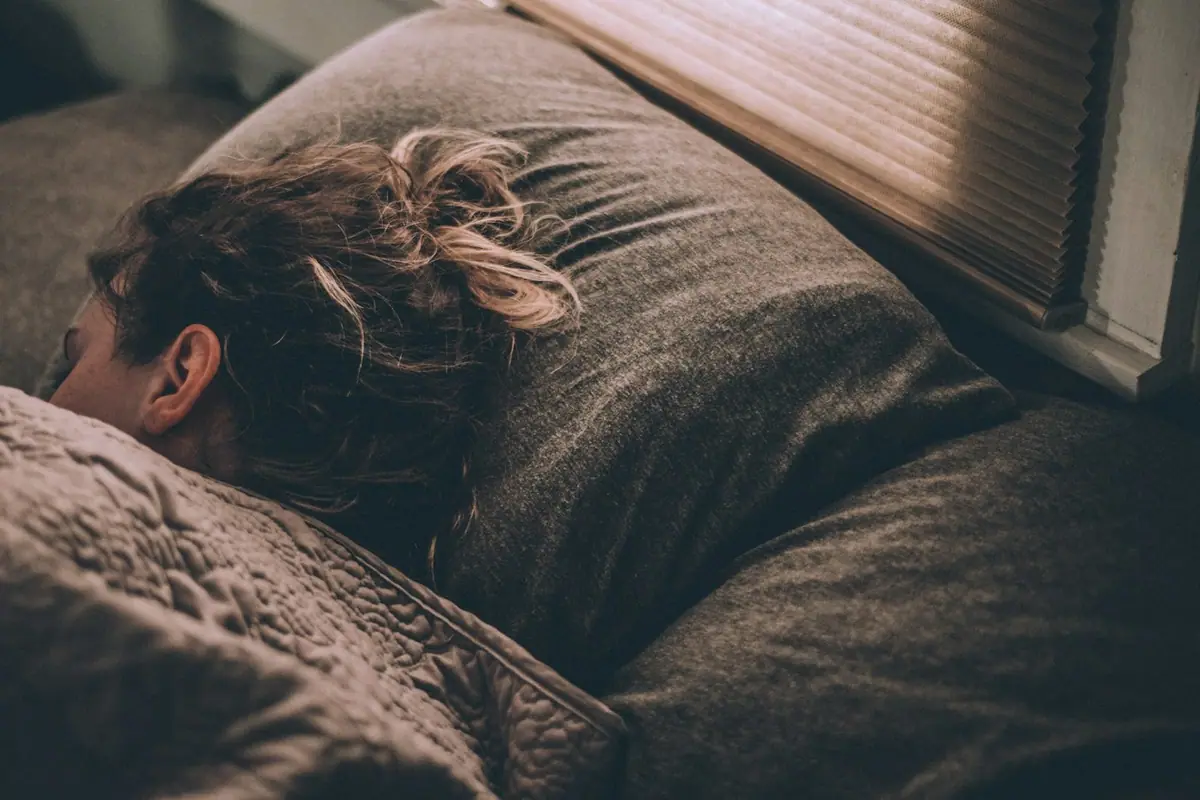
Quick verdict
Start with the highest-impact changes: consistent wake time, morning light exposure, and temperature optimisation. These three alone improve sleep quality more than most supplements or gadgets. The rest of this protocol is layered optimisation, each change compounds, but the fundamentals deliver 80% of the benefit.
Talk to your doctor first. This is general information, not medical advice. Supplements and devices can interact with medicines and health conditions. We quote study protocols for context and do not recommend doses.
Why Sleep Belongs at the Top of Any Longevity Protocol
Matthew Walker, director of the Center for Human Sleep Science at UC Berkeley, opens Why We Sleep with a stark statement: every major disease killing people in developed nations, cardiovascular disease, Alzheimer’s, cancer, metabolic disease, psychiatric illness, has a causal relationship with insufficient sleep.
The data supports this:
- Sleeping under 6 hours per night is associated with a 65% higher risk of Alzheimer’s
- Short sleep (<6 hours) doubles the risk of cardiovascular events vs 7–9 hours
- One night of poor sleep raises cortisol by 37%, reduces testosterone by 10–15%, and impairs insulin sensitivity measurably
- Growth hormone secretion, critical for cellular repair, occurs predominantly during deep slow-wave sleep
- The glymphatic system (the brain’s waste clearance mechanism) operates almost entirely during sleep, flushing amyloid beta and tau proteins associated with neurodegeneration
No supplement, no biohack, and no device compensates for chronically insufficient sleep. Get the sleep right first.
Tier 1: Highest-Impact (Start Here)
1. Fixed Wake Time: Every Day
Impact: ★★★★★ | Difficulty: ★★☆☆☆
The single most important sleep hygiene change available. Pick a wake time and maintain it every day, weekends included. Within ±30 minutes, always.
Why: Your circadian clock is anchored primarily by your wake time. Inconsistent wake times fragment the sleep architecture. You get less deep sleep and less REM. Weekend sleep-ins to “catch up” feel good but shift your circadian phase (social jet lag), making Monday morning harder and disrupting the entire following week.
Fix your wake time first. Everything else is secondary.
2. Morning Sunlight (First 30–60 Minutes After Waking)
Impact: ★★★★★ | Difficulty: ★☆☆☆☆
Go outside within 30–60 minutes of waking, without sunglasses, for 5–10 minutes on a sunny day (up to 30 minutes on overcast days). Andrew Huberman has popularised this practice; the underlying science is solid.
Mechanism: Sunlight hitting melanopsin-containing retinal ganglion cells triggers a cortisol pulse (alertness) and starts the adenosine clock. The signal that will produce sleepiness 14–16 hours later. It also sets the circadian clock via the suprachiasmatic nucleus (SCN) in the hypothalamus.
Critical point: Sunlight through glass does not work: UV and the relevant wavelengths of light are filtered out. You must be outside with eyes open (not staring at the sun, just facing the general direction of sky).
Dose: 10 minutes on sunny days / 20–30 minutes on overcast days / as much as possible on fully cloudy days.
3. Cool Bedroom Temperature
Impact: ★★★★★ | Difficulty: ★★☆☆☆
Optimal sleep onset and deep sleep requires core body temperature to drop approximately 1–2°C from its daytime peak. This is why you feel sleepy in a warm bath: the subsequent cooling as you dry accelerates the temperature drop.
Target bedroom temperature: 65–68°F / 18–20°C
Studies consistently show that temperatures above 23°C (75°F) significantly reduce deep sleep (slow-wave sleep) and total sleep time.
Practical options:
- Air conditioning or fan on a low setting
- Lighter bedding in summer
- Cooling mattress pad (Eight Sleep, ChiliSleep OOLER), expensive but highly effective for people who sleep hot
- Cold shower 60–90 minutes before bed (paradoxically helps, you cool down rapidly after)
4. Complete Darkness
Impact: ★★★★☆ | Difficulty: ★★☆☆☆
Even small amounts of light during sleep, from street lights, phone screens, or standby LEDs, suppress melatonin secretion and fragment sleep architecture. The eyes contain photoreceptors even when shut; light penetrates through closed eyelids.
Solutions:
- Blackout curtains or blinds (most cost-effective)
- Sleep mask (travel-friendly; some people find them uncomfortable)
- Tape over LED standby lights on electronics
Phone and screens: Put phone face-down or in another room. The overnight notification light is measurably disruptive. The phone-in-another-room habit also eliminates the temptation to check it at 3am.
5. No Caffeine After 12–1pm
Impact: ★★★★☆ | Difficulty: ★★★☆☆
Caffeine’s half-life is 5–7 hours in most people (range: 3–10 hours due to CYP1A2 genetic variation). A coffee at 3pm leaves 50% of its caffeine in your system at 9–10pm. Even if you fall asleep, caffeine fragments sleep architecture, particularly suppressing deep slow-wave sleep, without you feeling it subjectively.
Practical rule: Last caffeine by noon (some people with slower caffeine metabolism need 10am cutoff). Test your personal threshold by tracking sleep quality on days with and without afternoon caffeine.
Caffeine in unexpected places: Green tea, black tea, dark chocolate, pre-workout supplements, some medications (Excedrin). Account for all sources.
Tier 2: High Impact
6. No Alcohol Within 3 Hours of Sleep
Impact: ★★★★☆ | Difficulty: ★★★☆☆
Alcohol is the most misunderstood sleep substance. It sedates, but sedation is not sleep. Alcohol:
- Fragments sleep architecture: increases arousals after first metabolised (3–4 hours in)
- Severely suppresses REM sleep (the memory consolidation and emotional processing stage)
- Raises core body temperature in the second half of the night
- Dehydrates, increasing overnight awakenings
One glass of wine reduces REM sleep by approximately 24%. Two glasses reduces it by roughly 40% in research studies.
The 3-hour rule: your liver clears approximately one standard drink per hour. If you drink 2 glasses of wine, wait 5–6 hours before sleeping for full clearance.
7. Keep the Same Bedtime (±30 Minutes)
Impact: ★★★☆☆ | Difficulty: ★★★☆☆
Works in conjunction with fixed wake time. Consistency, not total darkness or supplements or gadgets, is the foundation of sleep architecture. The brain anticipates and prepares for sleep onset based on pattern recognition.
Note: If you are not sleepy at your target bedtime, do not lie in bed awake. The association between bed and wakefulness (conditioned arousal) is one of the primary drivers of chronic insomnia. Only go to bed when genuinely sleepy.
8. Wind-Down Routine (60 Minutes Before Bed)
Impact: ★★★☆☆ | Difficulty: ★★☆☆☆
The nervous system cannot transition from high sympathetic activation (stress, screens, decision-making) to the parasympathetic state required for sleep onset without a transition period.
A consistent wind-down routine signals the brain that sleep is approaching:
- Dim lights (below 200 lux) 60–90 minutes before bed, bright light suppresses melatonin
- Stop work tasks and decision-making
- Light stretching or yoga
- Reading (physical book, not backlit screen)
- Breathing exercises (4-7-8 or coherent breathing)
- Warm shower or bath (the subsequent cooling helps)
The routine itself matters less than its consistency, whatever signals to your brain that sleep is approaching.
9. No Screens 60 Minutes Before Bed
Impact: ★★★☆☆ | Difficulty: ★★★★☆
Blue light from screens suppresses melatonin secretion by approximately 50% when exposure occurs 2 hours before sleep. This delays sleep onset and reduces early-night deep sleep.
If you cannot avoid screens:
- Use blue light blocking settings (Night Shift on iOS, Night Light on Android) from sunset onward
- Blue light blocking glasses (orange-tinted; the cheap ones work fine, the lens colour matters, not the brand)
- Reduce screen brightness as much as possible
- Prioritise eliminating screens entirely in the final 30 minutes
The cognitive stimulation problem: Beyond blue light, the content of screens (news, social media, email) drives cortisol and anxiety that delays sleep onset independently of the light. A calming show on low brightness is better than stressful news.
10. Exercise (But Not Too Late)
Impact: ★★★☆☆ | Difficulty: ★★★☆☆
Regular exercise is one of the strongest known improvements for sleep quality, increasing deep slow-wave sleep and reducing sleep latency. The effect is cumulative; it is not primarily about exercising the night before.
Timing caveat: High-intensity exercise within 3 hours of bedtime raises core temperature and releases cortisol and norepinephrine, which can delay sleep onset in some people. Zone 2 and moderate intensity exercise at any time is fine for most. For high-intensity training, earlier in the day is preferable.
Personal variation: About 25–30% of people are relatively insensitive to evening exercise timing. Track your sleep data and learn your personal threshold.
Tier 3: Fine-Tuning
11. Magnesium Glycinate Before Bed
Impact: ★★★☆☆ | Difficulty: ★☆☆☆☆
Magnesium activates GABA receptors (the primary inhibitory neurotransmitter) and regulates the NMDA receptor, together producing a calming effect on the nervous system. Magnesium deficiency is common (estimated 50–80% of Western adults) and is associated with restless legs, muscle cramps, and poor sleep quality.
Dose: 200–400mg magnesium glycinate 30–60 minutes before bed. Glycinate form for best absorption and tolerability; avoid magnesium oxide (poorly absorbed).
Evidence: Multiple RCTs show improved sleep quality, reduced sleep onset latency, and improved sleep duration in adults with low magnesium status. Effects are most pronounced in those who are deficient.
12. Limit Fluid Intake 2 Hours Before Bed
Impact: ★★☆☆☆ | Difficulty: ★★☆☆☆
Nocturia (waking to urinate) is among the most common causes of sleep fragmentation in adults over 40. Limiting fluid intake after 7–8pm reduces overnight urgency while maintaining adequate daytime hydration.
13. Melatonin (Low Dose, Timed Correctly)
Impact: ★★☆☆☆ | Difficulty: ★☆☆☆☆
Melatonin is widely misused. It is a sleep-timing signal, not a sedative. High doses (5–10mg as commonly sold) saturate melatonin receptors without producing better sleep, and may suppress endogenous melatonin production over time.
Evidence-based approach:
- Dose: 0.5–1mg (not 5–10mg)
- Timing: 30–60 minutes before target sleep time
- Best use case: circadian shifting (jet lag, rotating shift work, delayed sleep phase)
- Less useful for chronic insomnia unrelated to timing
14. Keep the Bedroom for Sleep and Sex Only
Impact: ★★★☆☆ | Difficulty: ★★☆☆☆
Stimulus control therapy, the principle underlying this recommendation, is one of the most evidence-backed interventions for insomnia. Working, watching TV, or scrolling in bed creates a conditioned association between the bed environment and wakefulness.
Remove all devices from the bedroom. Make the bed exclusively associated with sleep.
15. Manage Stress and Rumination
Impact: ★★★★☆ | Difficulty: ★★★★☆
The most common cause of sleep-onset difficulty in otherwise healthy adults is cognitive arousal, the inability to stop thinking. Strategies:
Worry journaling: 15 minutes before the wind-down routine: write tomorrow’s to-do list and unresolved worries on paper. Externalising concerns reduces their cognitive “load” during the subsequent sleep period (Borkovec et al.).
Cognitive shuffle (Luc Beaulieu-Prévost): Imagine random unconnected images in sequence, a bear, a candle, a car, a mountain. The nonsensical nature prevents the brain from following a problem-solving narrative, facilitating hypnagogic transition.
4-7-8 breathing: Activates the parasympathetic nervous system within minutes. See our breathwork protocols.
Tier 4: Advanced Optimisation
16–20. Advanced Measures
Sleep tracking (Oura, WHOOP): Provides baseline data and trend awareness. Most useful for identifying patterns (poor sleep after alcohol, correlations with exercise timing) rather than in-the-moment changes.
Mouth taping: 3M Micropore tape lightly applied over lips at night promotes nasal breathing, which reduces sleep apnea severity, improves sleep quality, and reduces snoring. Contraindicated if you have any nasal obstruction.
Consistent meal timing: Late meals (<3 hours before sleep) raise core temperature and insulin, disrupting sleep architecture. Eating earlier in the evening is associated with better sleep quality.
L-theanine: 200mg with magnesium, increases GABA and reduces cortisol. Synergistic with magnesium for sleep onset.
Avoid checking the clock: If you wake at night, checking the time activates the prefrontal cortex and makes returning to sleep harder. Turn clocks away from the bed.
The Minimum Effective Dose Protocol
If you implement nothing else, implement these three. They deliver approximately 80% of available sleep quality improvement:
- Fixed wake time: same every day, 7 days/week
- Morning light: 10 minutes outside within 60 minutes of waking
- Cool dark bedroom: 18–20°C, complete darkness
Track your Oura readiness or WHOOP recovery score for 4 weeks before and after these three changes. The data will motivate the rest.
Sleep Architecture Reference
Understanding what you are optimising:
Sleep Stage | Function | Peaks Slow-Wave Sleep (SWS/N3) | Physical repair, growth hormone, glymphatic clearance, memory consolidation | First half of night REM Sleep | Emotional processing, creativity, memory integration, synaptic pruning | Second half of night (increases with each cycle)
Implication: Alcohol (which blocks REM) is most damaging in the second half of the night. Short sleep (cutting the morning) disproportionately eliminates REM. Late-night exercise (which elevates temperature) impairs SWS in the first half. These timing relationships explain why the same total hours of sleep can differ dramatically in quality.
Related guides (tools, light, stack)
Sleep is step 2 in our beginner longevity path. Once the three fundamentals above are solid:
- Sleep Optimization hub: architecture and circadian overview
- Best sleep tools: trackers, masks, cooling, blue-light control
- Circadian light protocol: morning and evening light timing
- Best magnesium supplements: glycinate / threonate for sleep support
- Complete longevity stack: where sleep fits above every pill
- WHOOP vs Oura: if you want recovery scores to track progress
See also: Eight Sleep Pod 5 and Pod 6: price, Autopilot cost and evidence.
Common questions
What is the highest-impact sleep change for longevity?
A fixed wake time every day (including weekends), morning outdoor light within 30–60 minutes of waking, and a cool dark bedroom (about 18–20°C). Those three changes deliver most of the available benefit.
Do sleep supplements work better than sleep hygiene?
No. Magnesium, L-theanine, or melatonin can help some people, but they do not replace consistent circadian timing, light exposure, and temperature control.
How many hours of sleep do I need for longevity?
Most adults do best with 7–9 hours of consolidated sleep. Consistently under 6 hours is associated with higher cardiovascular and neurodegenerative risk in observational research.
Data and comparisons
- Magnesium evidence record
Required for 300+ enzymatic reactions
- Vitamin D3 evidence record
Deficiency is endemic (over 40% of Western adults) and associated with higher all-cause mortality
- Magnesium Forms Compared: Glycinate vs L-Threonate vs Malate
Glycinate default; threonate for brain
- WHOOP vs Oura: Best longevity wearable?
Oura for sleep; WHOOP for recovery
Related reading
Light Therapy and Circadian Optimization
Light is the most powerful zeitgeber, the primary signal that sets your circadian clock. Getting light right is free, takes minutes
Strength Training for Longevity: The Evidence-Based Protocol
Muscle mass is one of the strongest predictors of healthspan. The complete science and protocol for strength training that extends life
Evidence-Based Sauna Protocol: How Often, How Hot, How Long
Finnish sauna use reduces all-cause mortality by 40%. But protocol matters, temperature, duration, frequency, and timing all affect outcomes
The Fasting Mimicking Diet
Valter Longo's fasting mimicking diet triggers cellular rejuvenation, reduces biological age markers, and extends healthspan in clinical trials