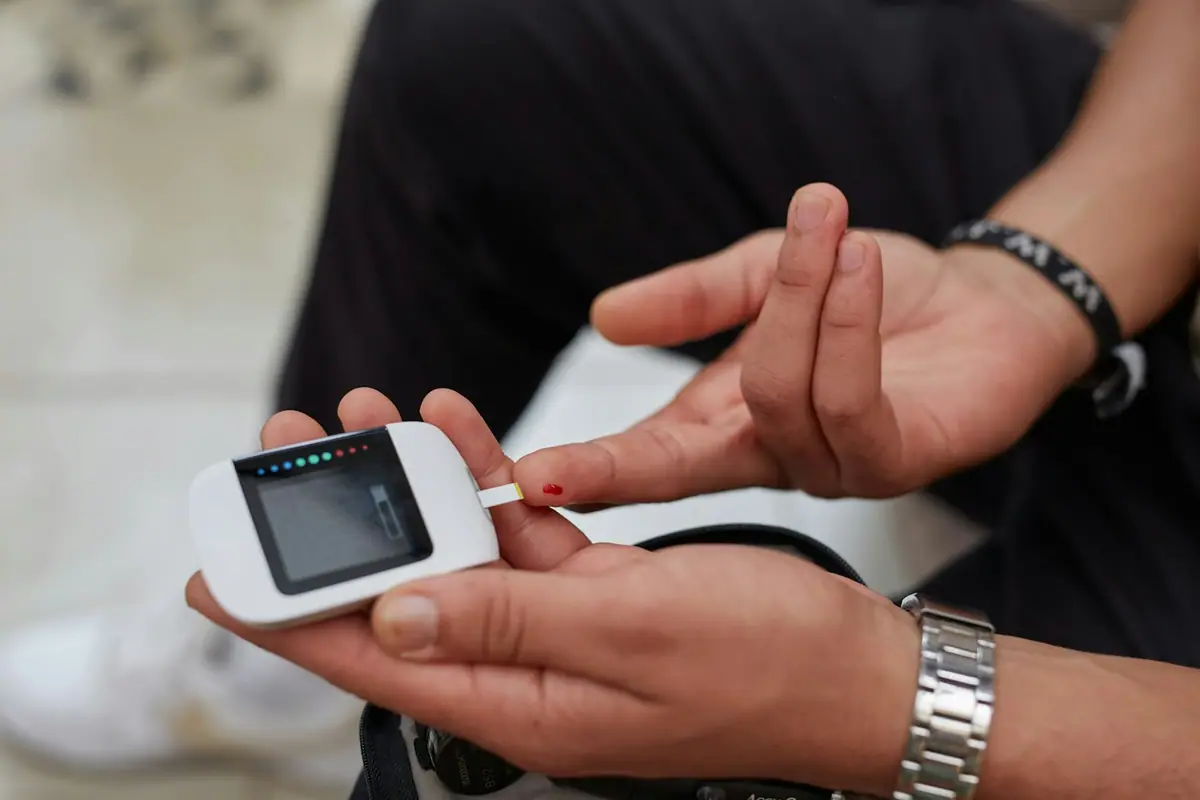
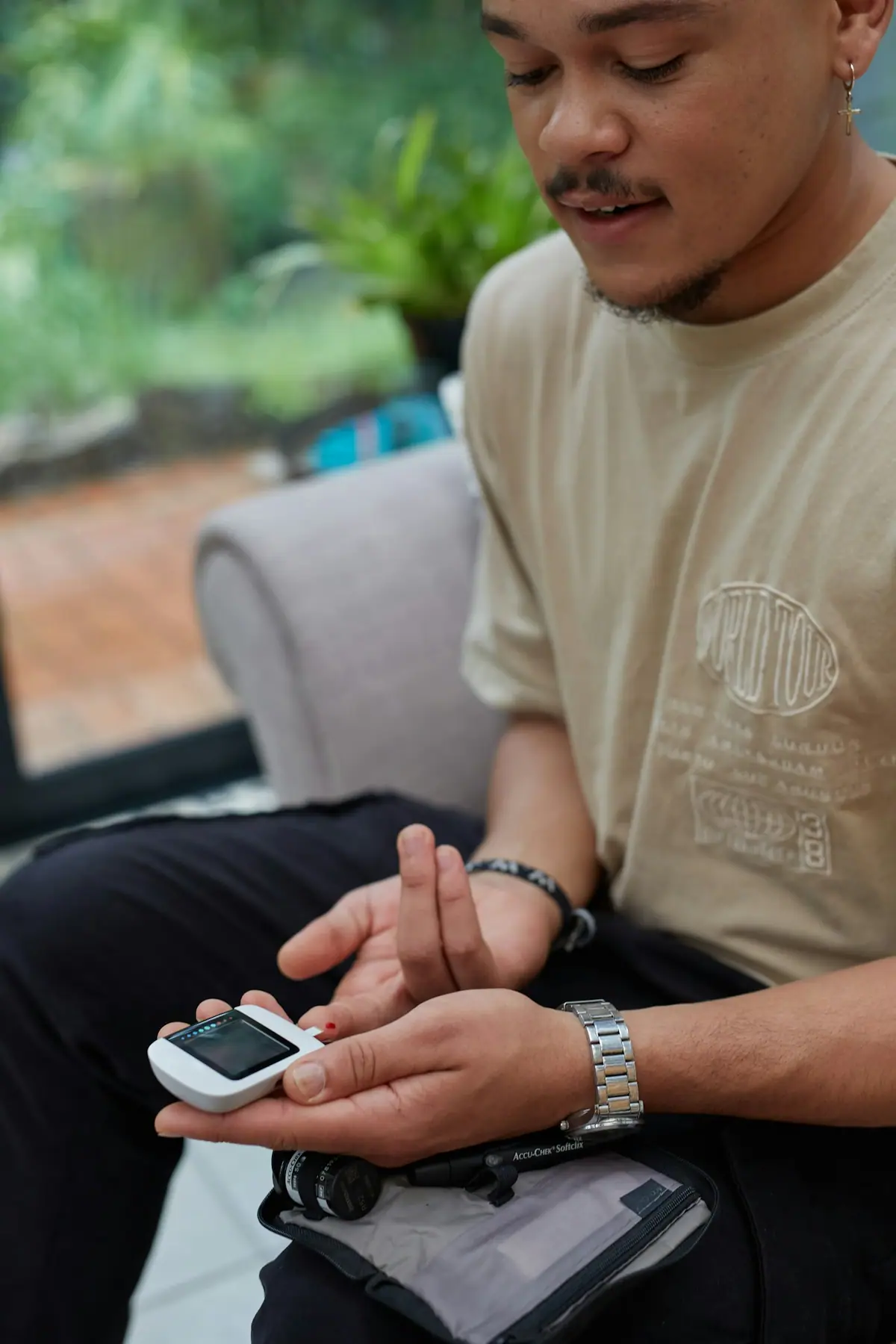
Without a prescription you have two direct options, Dexcom Stelo ($89 a month listed, 15-day sensors) and Abbott Lingo ($54 for a two-week plan), plus coaching services such as Nutrisense and Levels. Prescription sensors like Libre 3 and Dexcom G7 are for people with diabetes. No trial shows a CGM improves health outcomes in healthy people.
Talk to your doctor first. This is general information, not medical advice. Supplements and devices can interact with medicines and health conditions. We quote study protocols for context and do not recommend doses.
Top picks
As an Amazon Associate, Longevity Intel earns from qualifying purchases. Some links are affiliate links; we may earn a commission at no extra cost to you. Commissions never change what we write. How we make money
The short answer: If you do not have diabetes and want to try a continuous glucose monitor (CGM), you have two direct options in the US: Dexcom’s Stelo, listed at $89 a month with 15-day sensors, and Abbott’s Lingo, listed at $54 for a two-week plan that does not auto-renew (both checked 29 Sept 2026). Services such as Nutrisense and Levels sell coaching on top. Prescription models like Libre 3 and Dexcom G7 are made for people with diabetes. Treat the readings as patterns: an independent study of over-the-counter CGMs found 12.9% average error, and no trial shows a CGM improves health in healthy people.
Program from $179, shown as $152 a month with a 15% discount (Nutrisense)
Coaching and dietitian access around a CGM
Levels
Not stated on its page
Not stated
$15 a month app tier; Core $399 a year; Complete $1,329 a year, with 1 or 2 months of CGM in the higher tiers (Levels)
App plus labs and clinician review
Libre 3 / Dexcom G7
Yes
Up to 15 days each, per the makers
Insurance-dependent; Dexcom says most covered patients pay $20 or less a month
People with diabetes
Neither Nutrisense nor Levels names the sensor brand on the pages we read. Compare the two direct options in detail in Stelo vs Lingo.
What the evidence shows
Accuracy. A September 2026 study of over-the-counter CGMs in 39 young adults without diabetes found 12.9% mean absolute relative difference against capillary meters, worse after a sugary drink (15.3% vs 10.6%). The authors say the sensors track overall trends but are less reliable for exact values.
Sensor life. Stelo’s own footnote says about 20% of sensors may not last the full 15 days. Dexcom’s G7 page gives about 26% for that model. Expect to replace some sensors early.
Benefit. A 2024 meta-analysis of 25 randomised trials found CGM feedback lowered HbA1c by 0.28% and raised time in range by 7.4 points, but most trials were in people with diabetes, only 3 were in obesity, and 44% reported CGM-company conflicts. We found no trial showing benefit in healthy adults.
Who it suits, who should skip it
Reasonable to try for a fortnight: adults without diabetes who are curious how meals and sleep move their glucose and will change a habit if the graph surprises them. Start with the cheapest way in.
Skip it, or ask a doctor first: anyone with a history of disordered eating (Lingo itself advises consulting a professional), people on glucose-lowering medicines, and anyone who wants a diagnosis. A CGM does not diagnose diabetes. If you are worried, ask for a laboratory test; see best at-home blood tests. To read the graph, use the CGM guide. Details of the Stelo product are in the Dexcom Stelo review.
Method note
Researched from each brand’s own pages, an FDA announcement and PubMed records, checked 29 Sept 2026. We did not test any sensor. Prices differ by country and change often; check before buying. General information, not medical advice. Longevity Intel earns a commission on some affiliate sales.
Rebuilt from brand pages, FDA and PubMed. Removed unsourced claims about AGEs, insulin resistance and IL-6/CRP, the $99/mo and $75/mo prices, and the 14-day and FDA-cleared-for-non-diabetics wording. Added comparison table, who-should-skip section and checked prices.