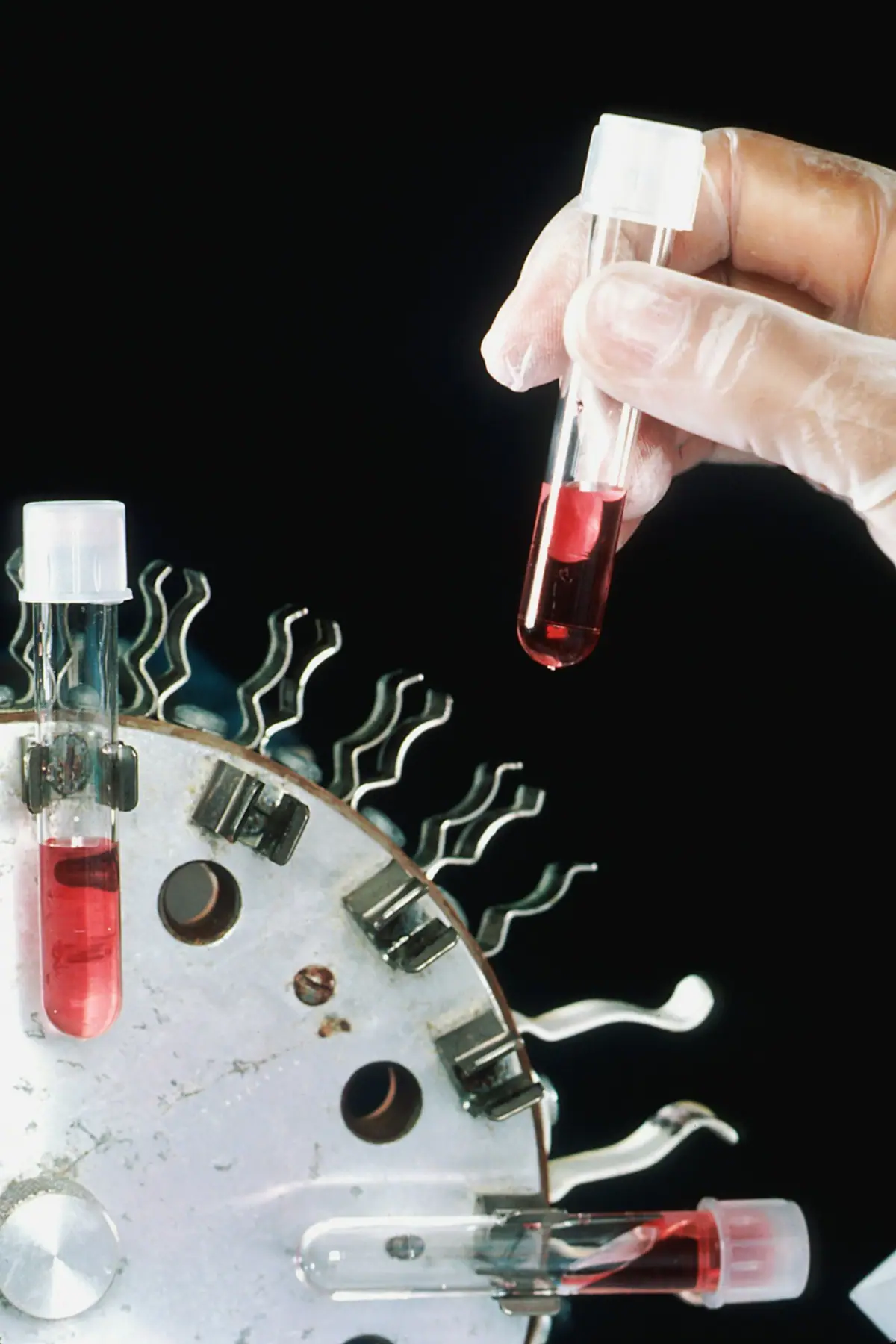
Why Standard Blood Tests Fail You
A standard blood panel ordered by a GP or family physician typically includes:
- Complete blood count (CBC)
- Basic metabolic panel (sodium, potassium, creatinine, glucose)
- Standard lipid panel (total cholesterol, LDL, HDL, triglycerides)
- TSH (thyroid stimulating hormone)
This is useful for detecting gross abnormality. It is not designed for longevity medicine. The problem is not what it measures. It is what it misses.
What standard labs miss:
- ApoB: the best predictor of cardiovascular disease risk (better than LDL-C)
- Lp(a): a genetic risk factor for cardiovascular disease affecting ~20% of people, undetectable on a standard lipid panel
- Fasting insulin: the earliest marker of insulin resistance; not included in standard metabolic panels
- hsCRP: high-sensitivity CRP for low-grade inflammation; standard CRP misses subclinical inflammation
- Homocysteine: elevated in B vitamin deficiency; associated with cardiovascular and cognitive risk
- Full thyroid panel (free T3, free T4, reverse T3), standard TSH alone misses peripheral conversion problems
- Sex hormones (free testosterone, SHBG, estradiol, DHEA-S), not ordered without specific complaint
- IGF-1: growth hormone surrogate; not routine
- Vitamin D (25-OH): often tested but frequently not acted on appropriately
A comprehensive longevity panel costs $200–500 self-pay. The same tests ordered through insurance billing can cost $3,000–5,000, if the physician will even order them.
US-Based Labs
Inside Tracker
Best for: Integrated platform with ongoing tracking, wearable integration, and personalised recommendations
Inside Tracker was developed by researchers at Harvard and Tufts who study the biology of ageing. Their panels are designed specifically around longevity-relevant biomarkers, and their analysis algorithms were built on data from elite athletes and centenarians.
What the Ultimate panel includes:
- Advanced lipids: ApoB, Lp(a), LDL-P, small dense LDL, HDL particle number
- Metabolic: fasting insulin, HOMA-IR, HbA1c, uric acid
- Inflammation: hsCRP, homocysteine, ferritin
- Hormonal: testosterone (free and total), SHBG, estradiol, DHEA-S, IGF-1, cortisol
- Full thyroid: TSH, free T3, free T4
- Vitamins/minerals: vitamin D, B12, folate, magnesium, zinc
- Blood count: complete CBC with differentials
Analysis platform: Inside Tracker’s algorithms assign an “InnerAge” biological age score and provide specific dietary, supplement, and lifestyle interventions for each out-of-range biomarker. The platform integrates with Oura, WHOOP, and Garmin for combined analysis.
Retesting: Quarterly retesting is recommended. Membership tiers make this more cost-effective for regular users.
Function Health
Best for: Comprehensive annual testing at the best price-to-biomarker ratio
Function Health was co-founded with involvement from advisors in a prominent longevity clinical network. The panel includes 100+ biomarkers across two draws per year, more comprehensive than any comparably priced competitor.
Notable inclusions beyond standard panels:
- Galleri multi-cancer early detection (100+ cancers from a single blood draw, $949 standalone, included in some Function tiers)
- Coronary artery calcium score ordering support
- Comprehensive environmental toxin panel (heavy metals, PFAS)
- Gut health markers (zonulin, calprotectin)
Physician review: Every panel includes physician-reviewed results and the ability to message with clinical questions.
Best for: People who want the most comprehensive annual assessment at a fixed, predictable cost.
Ulta Lab Tests / Walk-In Lab
Best for: Ordering specific tests you already know you want, at the lowest possible cost
These are direct-to-consumer lab ordering platforms. You choose the test, pay online, get a requisition, walk into a Quest Diagnostics or LabCorp draw site, and receive results directly.
Advantages:
- Lowest cost for individual tests (ApoB: ~$30, Lp(a): ~$35, fasting insulin: ~$28)
- Complete control over exactly what you order
- No subscription required: order as needed
- Works at any Quest or LabCorp location (thousands nationwide)
Disadvantages:
- No analysis or recommendations included: you need to know what to do with the numbers
- No physician review included
- Requires self-education on interpretation
Best use: For experienced users who know their longevity panel and want to retest specific markers quarterly without paying for integrated analysis they do not need.
The essential self-assembled longevity panel via Ulta Lab Tests (~$200–300 total):
- ApoB: $30
- Lp(a): $35
- Fasting insulin: $28
- hsCRP (high sensitivity): $22
- Homocysteine: $38
- Free and total testosterone: $45
- DHEA-S: $28
- IGF-1: $45
- 25-OH Vitamin D: $35
- Full thyroid panel (TSH, free T3, free T4, reverse T3): $65
Marek Health
Best for: Longevity-focused physician oversight with direct lab access
Marek Health pairs direct lab ordering with access to telehealth physicians who specialise in preventive and longevity medicine. Founded with a focus on men’s health and performance optimisation; panels are comprehensive and the physician layer means you can get prescriptions for deficiencies identified (vitamin D, hormones) without separate appointments.
Particularly strong: Hormone optimisation context: comprehensive male hormone panels and experienced clinical review for results outside normal ranges.
UK and European Labs
Medichecks
Best UK option for direct-to-consumer blood testing. Offers a broad range of panels including:
- Ultimate Performance Blood Test: 50+ markers including advanced lipids, hormones, inflammation, vitamins
- Cardiovascular Risk Assessment (ApoB, Lp(a), hsCRP, homocysteine)
- Full thyroid function including free T3 and reverse T3
Home blood collection: For most panels, Medichecks offers finger-prick home collection kits. No phlebotomy appointment needed. For more comprehensive panels, they have partner phlebotomy locations.
Cost: £99–£299 for comprehensive panels. Individual markers available from £15–£50.
Thriva
UK-based with a subscription model, quarterly testing with trend tracking. More limited panel depth than Medichecks but excellent for ongoing monitoring of a core set of biomarkers.
Let’s Get Checked
Available in UK, Ireland, US, and parts of Europe. Home collection focus: finger-prick kits posted to you, results digitally within 2–5 days. Good for convenience; less comprehensive than Medichecks for advanced longevity panels.
The Core Longevity Panel: What to Order
Regardless of which lab you use, these are the highest-priority tests for a comprehensive longevity baseline:
Cardiovascular
- ApoB: the most important single cardiovascular risk marker; primary target of statin therapy
- Lp(a): genetic; test once; if elevated (>100 nmol/L or >50 mg/dL), monitor closely
- hsCRP: low-grade inflammation; target <1.0 mg/L
- Homocysteine: target <10 µmol/L; responds to B vitamins
- Triglycerides: target <1.0 mmol/L (150 mg/dL); best marker of carbohydrate and alcohol excess
- Fasting insulin: target <8 µIU/mL (some longevity physicians target <5)
- HOMA-IR (calculated): target <1.5
- HbA1c: target 4.8–5.3%; below 5.7% is generally considered normal but longevity-focused range is tighter
- Uric acid: target <5.5 mg/dL; elevated uric acid associated with metabolic and cardiovascular risk
Hormonal
- Free and total testosterone: relevant for both men and women for muscle, mood, and metabolic health
- SHBG: interprets free fraction of testosterone
- DHEA-S: adrenal androgen; declines with age; marker of adrenal reserve
- IGF-1: growth hormone proxy; neither too high nor too low is ideal
- Full thyroid (TSH + free T3 + free T4 + reverse T3), TSH alone misses most functional thyroid issues
Inflammation and Nutrition
- Ferritin: iron storage; elevated ferritin is a cardiovascular and inflammatory risk factor independent of anaemia
- 25-OH Vitamin D: target 40–60 ng/mL (100–150 nmol/L)
- B12 and folate: especially if taking metformin (B12 depletion) or following a plant-based diet
Testing Frequency
First test: Comprehensive baseline, all markers above
Annual: Full panel to track trends year-over-year
Quarterly: Core 6–8 markers if actively optimising (ApoB, fasting insulin, hsCRP, vitamin D, testosterone, HbA1c)
After dietary or supplement changes: Retest relevant markers 8–12 weeks after meaningful protocol changes to assess impact
The trend over time is more informative than any single test. Tracking ApoB across 5 years tells a more useful story than knowing your ApoB today without context.
See also: Function Health vs Superpower, compared from each company’s own pages.