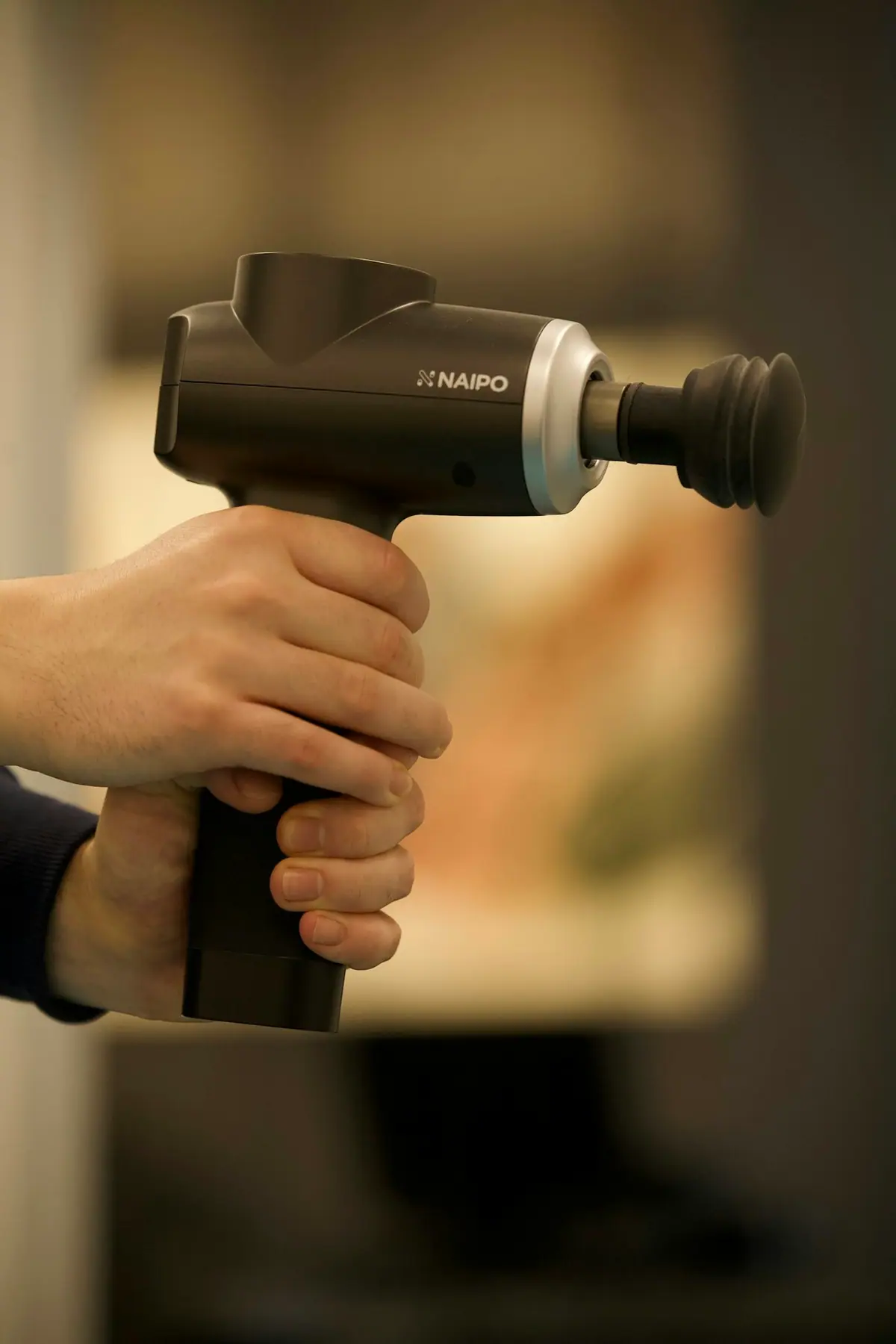
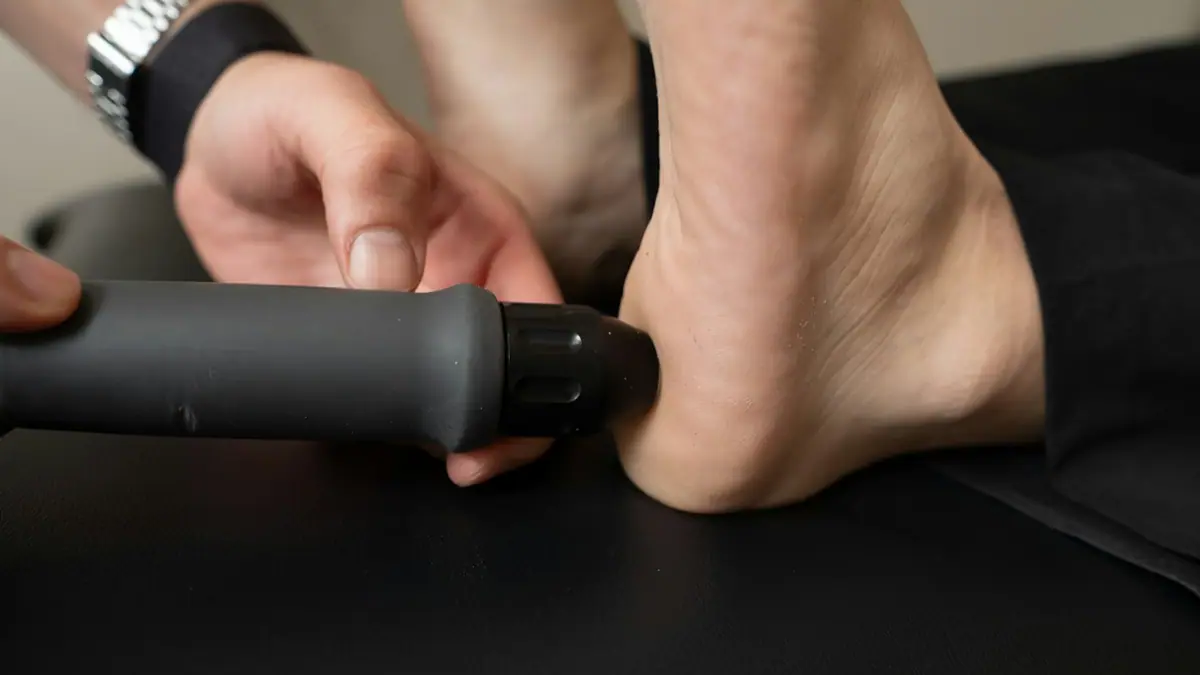
Percussive massage may ease muscle soreness in the days after hard exercise, based on two small 2025 to 2026 trials and a wider massage meta-analysis, but no gun is shown to be better than another. Theragun PRO is $529.99 and Hypervolt 3 Pro $349 on the makers' sites; Renpho guns run $59.99 to $119.99 (checked 29 Sept 2026).
Talk to your doctor first. This is general information, not medical advice. Supplements and devices can interact with medicines and health conditions. We quote study protocols for context and do not recommend doses.
Top picks
As an Amazon Associate, Longevity Intel earns from qualifying purchases. Some links are affiliate links; we may earn a commission at no extra cost to you. Commissions never change what we write. How we make money
The short answer: A massage gun may help with soreness after hard training, but the evidence is small and short-term, and nothing shows one brand works better than another. Theragun’s PRO (5th Gen) lists at $529.99, Hyperice’s Hypervolt 3 Pro at $349 and Renpho’s range at $59.99 to $119.99, all checked on 29 Sept 2026. If you want one, buy on price, weight, noise and how many attachments you will use, not on marketing horsepower. See the Theragun PRO review and Hypervolt review for the two premium options.
What the makers list
Model
Price (maker, 29 Sept 2026)
Amplitude
Battery
Noise
Notes
Theragun PRO (5th Gen)
$529.99
16 mm per Therabody’s guide
120 min
“Remarkably quiet”, no dB given
OLED screen, 6 heads, 1-year warranty
Theragun Prime (6th Gen)
$329.99
16 mm
120 min
Not stated
5 speeds, 2 heads
Theragun Relief
$159.99
10 mm
Not stated
Not stated
Entry model
Hypervolt 3 Pro
$349
Not stated
Up to 4 h
51 dB
6 speeds, 1500 to 2500 RPM, heated head
Renpho Active+ / Ascend
$79.99 / $89.99
Ascend lists 7 amplitudes
Not stated
Not stated
Sale prices change often
Noise figures from different makers are measured differently. Stall force is disputed even for older models: Hyperice told a Best Buy shopper the Hypervolt 2 Pro stalls at 60 to 70 lb, while Forbes reported 35 lb, so we do not rank guns on it.
What the evidence says
Massage in general. A 2017 meta-analysis of 11 trials (504 people, mostly manual massage) found massage after hard exercise lowered soreness ratings at 24, 48 and 72 hours (overall SMD -1.16) and slightly improved strength. It did not test massage guns.
Percussive massage. A 2025 trial of 30 active men compared static stretching with 25 or 40 minutes of percussive massage after a soreness-inducing squat protocol; the 40-minute group had lower soreness and better jump measures at 48 hours than stretching. A 2026 trial of 37 men found no significant strength difference from rest and called the benefits preliminary.
What that means. Small trials in young men, short follow-up, no long-term outcomes. We found no trial showing a massage gun improves performance, prevents injury or extends healthspan.
Who it suits, who should skip it
Reasonable to buy if you train hard, like the feel of massage, and see soreness as a nuisance a tool might ease. A cheaper gun is a fair test of whether you will use it.
Skip it, or ask a clinician first, if you have a bleeding or clotting disorder, take anticoagulants, or have pain, swelling or numbness that is not ordinary post-exercise soreness. Compare with other options in best recovery devices, compression therapy and massage and bodywork.
Method note
Researched from Therabody, Hyperice and Renpho pages and PubMed records, checked 29 Sept 2026. We did not test any device. Prices change with sales. General information, not medical advice. Longevity Intel earns a commission on some affiliate sales.
Rebuilt from Therabody, Hyperice and Renpho pages and three PubMed records. Removed the 'Konrad 2021' citation (not traced), the 10/12/16 mm and dB tier rules, speed and duration protocol, and all specs that could not be confirmed (Theragun Pro Gen 6 $599, 2.9 lb, 30+ routines; Hypervolt 2 Pro 12 mm and 40 lb; Renpho R3 Mini). Prices and models updated to what the makers list.