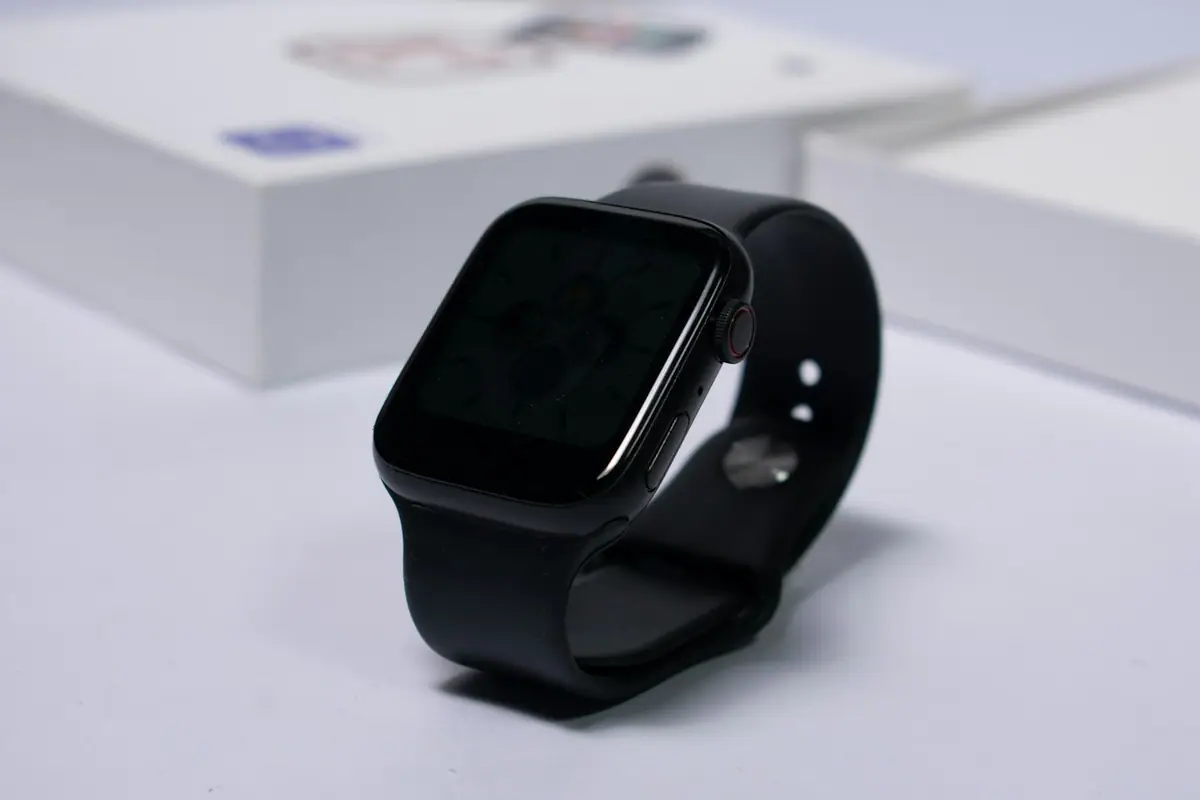
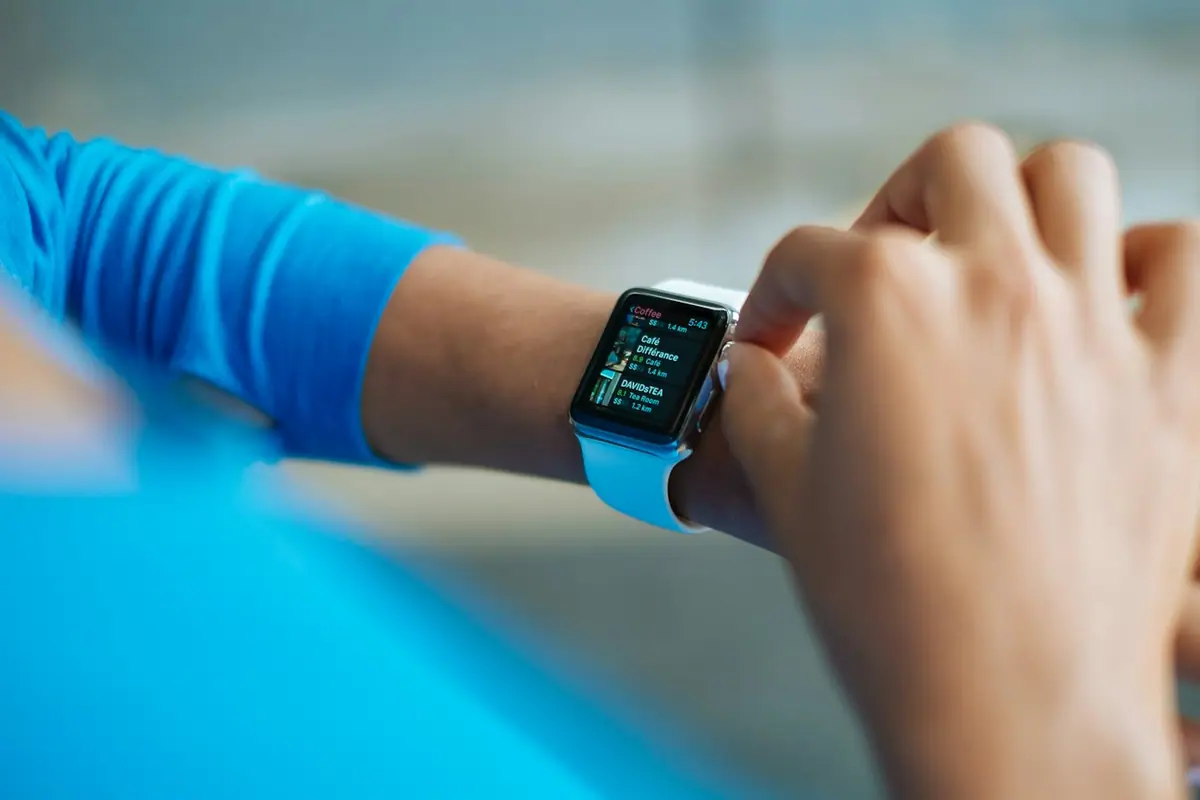
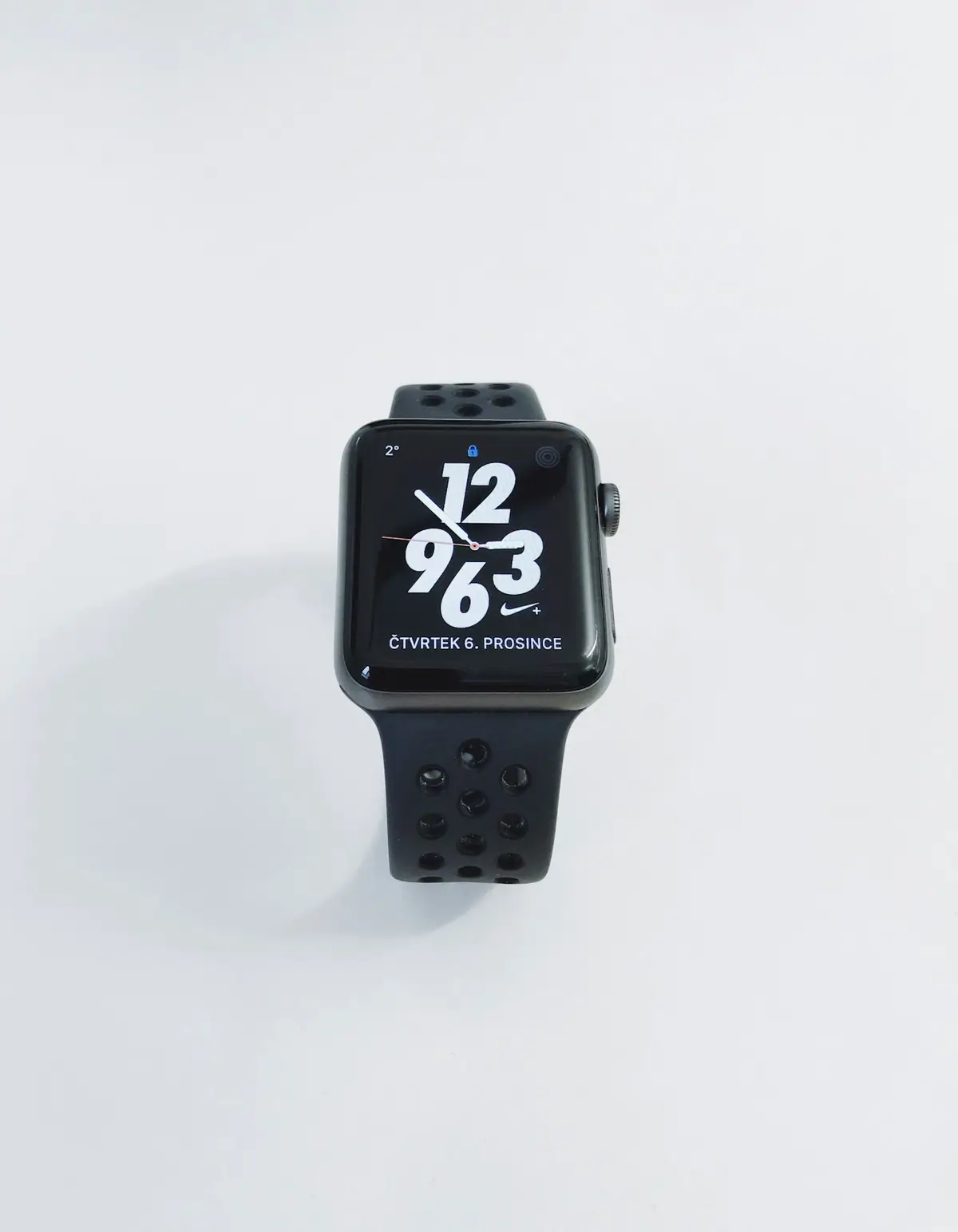
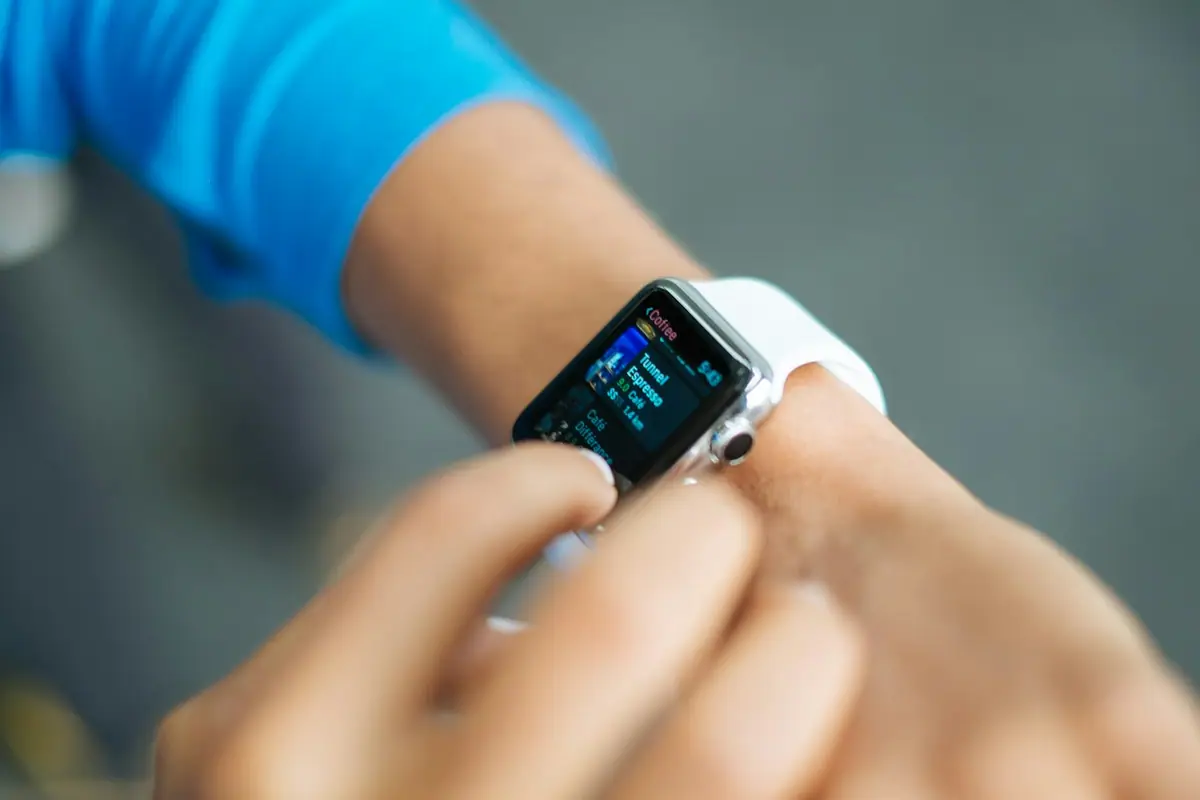
Apple Watch is the wearable with the most regulator-cleared heart and sleep notifications: an ECG app, irregular rhythm alerts, and (Series 12 and Ultra 4) sleep apnea and hypertension notifications. Its VO2 max estimate is not accurate for individuals. Series 12 starts at $399 and Ultra 4 at $799 on Apple's site (checked 29 Sept 2026).
Talk to your doctor first. This is general information, not medical advice. Supplements and devices can interact with medicines and health conditions. We quote study protocols for context and do not recommend doses.
Top picks
As an Amazon Associate, Longevity Intel earns from qualifying purchases. Some links are affiliate links; we may earn a commission at no extra cost to you. Commissions never change what we write. How we make money
Best For Most People
Apple Watch Series 12
Apple · From $399 (Apple, checked 29 Sept 2026)
Price as of July 2026. Check the retailer for the current price and availability.
Pros
ECG app (single-lead, for atrial fibrillation), per Apple
Sleep apnea and hypertension notifications
Up to 24 hours of normal use, 38 in Low Power Mode, per Apple
The short answer: Apple Watch is the consumer wearable with the most regulator-cleared notifications. On Series 12 and Ultra 4 that means an ECG app for atrial fibrillation (AFib), irregular rhythm alerts, sleep apnea notifications and hypertension notifications. Its VO2 max (“Cardio Fitness”) number is a trend at best: two studies found it under-reads by about 6 mL/kg/min with roughly 13% error. Series 12 starts at $399 and Ultra 4 at $799 on Apple’s site (checked 29 Sept 2026). It does not diagnose anything and does not replace a doctor.
Which model has which feature
Read from Apple’s own model pages on 29 Sept 2026.
Attribute
SE 3
Series 12
Ultra 4
Starting price (Apple)
$229 on its page, $249 on the buy-page comparison
From $399
From $799
ECG app
No
Yes
Yes
Blood oxygen app
No
Yes (wellness only)
Yes
Sleep apnea notifications
Yes
Yes
Yes
Hypertension notifications
No
Yes
Yes
Wrist temperature sensing
Yes
Yes
Yes
Battery, normal use
Up to 18 h
Up to 24 h
Up to 50 h
If ECG and hypertension notifications matter to you, the SE 3 is not the model. Apple’s pages give two different SE 3 starting prices; check the configuration when you buy.
What the evidence says, feature by feature
AFib notification and ECG: the strongest. The Apple Heart Study (419,297 participants, funded by Apple) found 0.52% got an irregular pulse notification. Of the 450 who returned a usable ECG patch, 34% had AFib on the patch, and 84% of notifications were concordant with AFib when the ECG was recorded at the same time (NEJM 2019). Most people never get a notification, and a notification is a reason to see a doctor, not a diagnosis. Apple states the ECG app is for ages 22 and older.
Sleep apnea notifications. The FDA cleared the feature on 13 Sept 2024 (510(k) K240929) as an over-the-counter device to assess risk. Apple says it is meant to detect signs of moderate to severe sleep apnea in people 18 and older who have not been diagnosed. Only a sleep test diagnoses it.
Hypertension notifications. The FDA cleared it on 11 Sept 2025 (K250507). It does not measure blood pressure: it looks for patterns over 30 days. Apple says it is not for people under 22, people already diagnosed with hypertension, or pregnant people. A cuff reading is still the check.
VO2 max. In a 2026 study of 40 healthy adults, Series 10 under-read by 6.25 mL/kg/min on average with 13.2% mean absolute percentage error, and it classified fitness percentile correctly for 14% (Mayo Clinic Proceedings: Digital Health). A 2025 study of 30 people found a similar 13.31% error (PLOS One). The 2026 authors found poor individual-level agreement, though possible use for population-level research; the 2025 authors said the estimates need further refinement before clinical use. Use the direction of change, not the number.
Blood oxygen. Apple’s own footnote says the app is for wellness purposes only and not for medical use.
We found no independent head-to-head study we could cite for Apple Watch sleep staging or HRV against Oura or WHOOP, so we make no ranking claim. See Oura vs WHOOP for what those two publish.
Who it suits, who should skip it
Pick Apple Watch if you already use an iPhone and want cleared heart-rhythm and sleep apnea alerts plus notifications and fitness in one device. Choose Ultra 4 only if you need the 50-hour battery.
Skip it if you use Android (it needs an iPhone), you want a screenless sleep tracker (see the smart rings compared), or you want a running-first watch with multi-day battery (see the Garmin Fenix 7 review). An alert is not a diagnosis: talk to a doctor about any result that worries you. Compare the wider field in best wearables for longevity.
Method note
Researched from Apple’s model and buy pages, FDA clearance documents and PubMed records, checked 29 Sept 2026. We did not test the watch. Prices and features change by country and configuration. General information, not medical advice. Longevity Intel earns a commission on some affiliate sales.
Rebuilt from Apple's model pages, FDA clearance documents and published validation studies. Removed unsourced accuracy claims (HRV, sleep staging versus Oura, SpO2 error), the weekly-ECG advice and the comparison-table battery and price figures that could not be traced. Models updated to Series 12, Ultra 4 and SE 3.