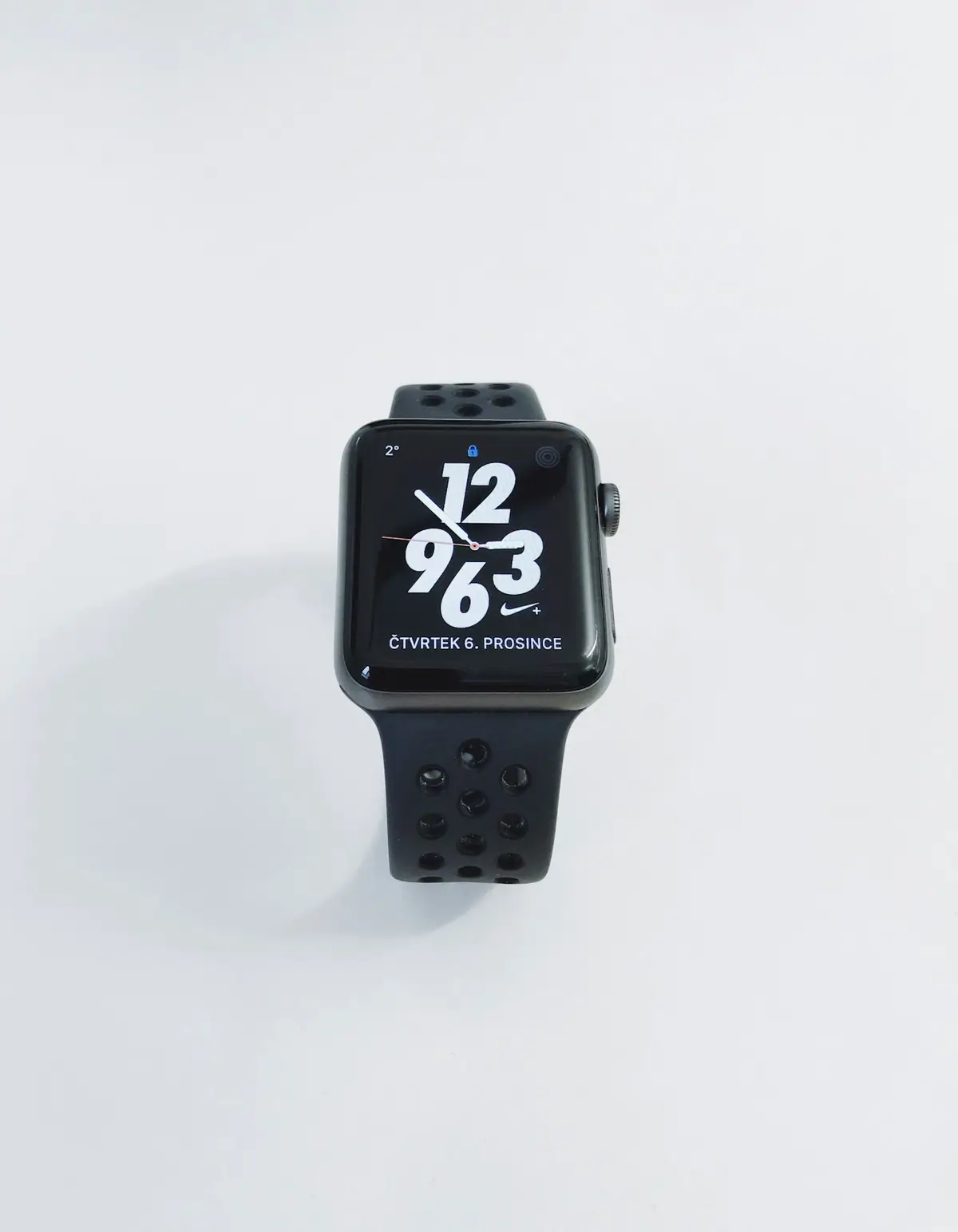
The Fenix 7 is a GPS multisport watch with HRV Status, Body Battery and sleep tracking and no subscription; Garmin's manual lists up to 18 days of battery for the standard 47 mm size. It is now two generations old (fenix 9 launched 25 Aug 2026 from $999.99). In one 2025 lab-style comparison Garmin's overnight HRV agreed less closely with ECG than Oura's or WHOOP's.
Talk to your doctor first. This is general information, not medical advice. Supplements and devices can interact with medicines and health conditions. We quote study protocols for context and do not recommend doses.
Top picks
As an Amazon Associate, Longevity Intel earns from qualifying purchases. Some links are affiliate links; we may earn a commission at no extra cost to you. Commissions never change what we write. How we make money
For Athletes
Garmin Fenix 7 Series
Garmin · Fenix 7 Pro launched at $799.99 (Garmin, May 2023); current price: check Garmin
Price as of July 2026. Check the retailer for the current price and availability.
Pros
Up to 18 days smartwatch battery (47 mm standard), per Garmin's manual
HRV Status, Body Battery and sleep tracking with no subscription
GPS multisport tracking
Cons
Superseded by the fenix 9 (launched 25 Aug 2026)
Overnight HRV agreed less closely with ECG than Oura or WHOOP in one 2025 study
The short answer: The Garmin Fenix 7 is a GPS multisport watch with HRV Status, Body Battery and sleep tracking built in and no subscription. Garmin’s manual lists up to 18 days of smartwatch battery for the standard 47 mm size and 57 hours in GPS mode. Buy it if you train outdoors and want health metrics on the same wrist; skip it if HRV accuracy is your main goal, because in a 2025 comparison against ECG its overnight HRV agreed less closely than Oura’s or WHOOP’s. Garmin has since launched the fenix 9 (25 Aug 2026, from $999.99), so check current Fenix 7 pricing.
Fenix 7 battery by size
From Garmin’s owner’s manual, checked 29 Sept 2026. Solar figures assume 3 hours a day outside in 50,000 lux.
Mode
7S
7
7X
Smartwatch
11 days (14 solar)
18 days (22 solar)
28 days (37 solar)
GPS only
37 h (46 solar)
57 h (73 solar)
89 h (122 solar)
Expedition
26 days (43 solar)
40 days (74 solar)
62 days (139 solar)
For comparison, Garmin’s press release for the fenix 9 lists up to 29 days in smartwatch mode on its largest size.
What the health metrics are, and are not
HRV Status. Per the manual, the watch needs three weeks of consistent sleep data before it shows a status. It then compares your seven-day average HRV with a personal baseline range that accounts for age, gender and fitness, and labels it Balanced, Unbalanced, Low or Poor. It is a wellness metric, not a diagnosis.
Body Battery. The manual says it combines HRV, stress, sleep quality and activity into a 5 to 100 “reserve energy” score. Garmin publishes no validation of it that we could find.
How accurate is the HRV? In a 2025 study of 13 healthy adults over 536 nights against an ECG reference, a Garmin Fenix 6 had a concordance of 0.87 and 10.5% mean absolute percentage error for nocturnal HRV, versus 0.97 to 0.99 and about 6 to 7% for Oura and 0.94 and 8.2% for WHOOP 4.0. The authors called Garmin’s agreement poor. It tested the older Fenix 6, so treat it as indicative for the Fenix 7, not proof.
Sleep. In a 53-person sleep-lab study a Garmin Forerunner 245 matched polysomnography on sleep-versus-wake 89% of the time but on individual stages only 50%. Use it for sleep duration and timing, not stage percentages.
VO2 max. A meta-analysis of 14 validation studies found wearable estimates that use exercise data have small average bias but wide individual error, so they suit trends better than a single number. Our VO2 max testing guide covers lab tests.
Who it suits, who should skip it
Pick the Fenix 7 if you run, ride or hike, want weeks of battery, and prefer paying once instead of a subscription. Compare it with WHOOP in Garmin vs WHOOP.
Skip it if you mainly want the best overnight HRV or the most comfortable 24-hour wear (smart rings compared), or you want cleared ECG and sleep apnea notifications (Apple Watch health features). If you buy a Garmin today, consider the current generation, the fenix 9; check Garmin’s spec page for its health sensors. See also HRV guide.
Method note
Researched from Garmin’s manual and newsroom and PubMed records, checked 29 Sept 2026. We did not test the watch. Prices change by retailer and region. General information, not medical advice. Longevity Intel earns a commission on some affiliate sales.
Rebuilt from Garmin's manual and press releases and three validation studies. Removed unsourced claims about HRV categories and 4-week baseline (manual says 3 weeks and a 7-day average), Garmin-vs-WHOOP accuracy assertions without a citation, the $649 price and map, build and GPS-accuracy claims. Added the successor note (fenix 9).